5.0
5.0 
Introduction to Raja Ampat
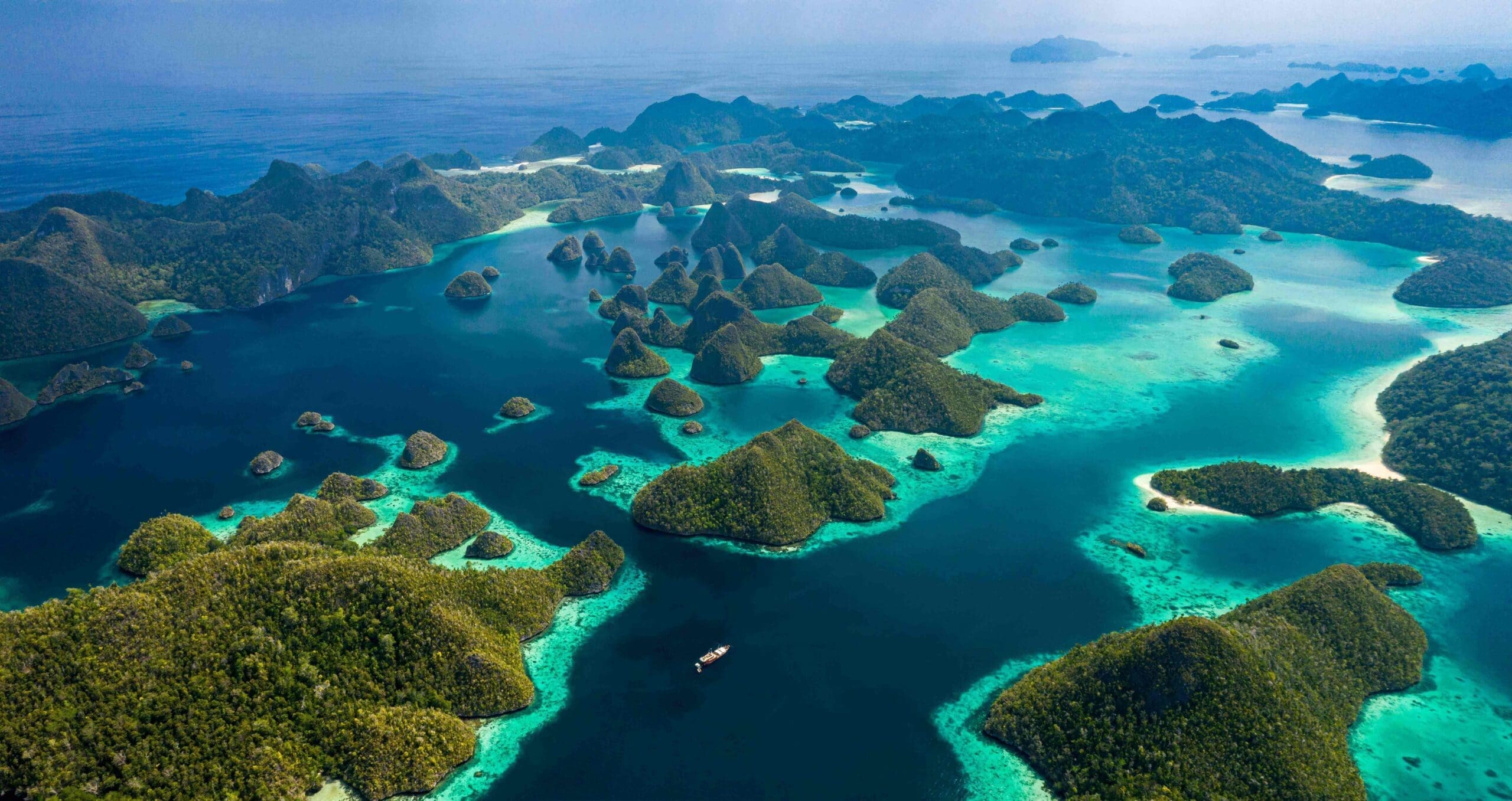
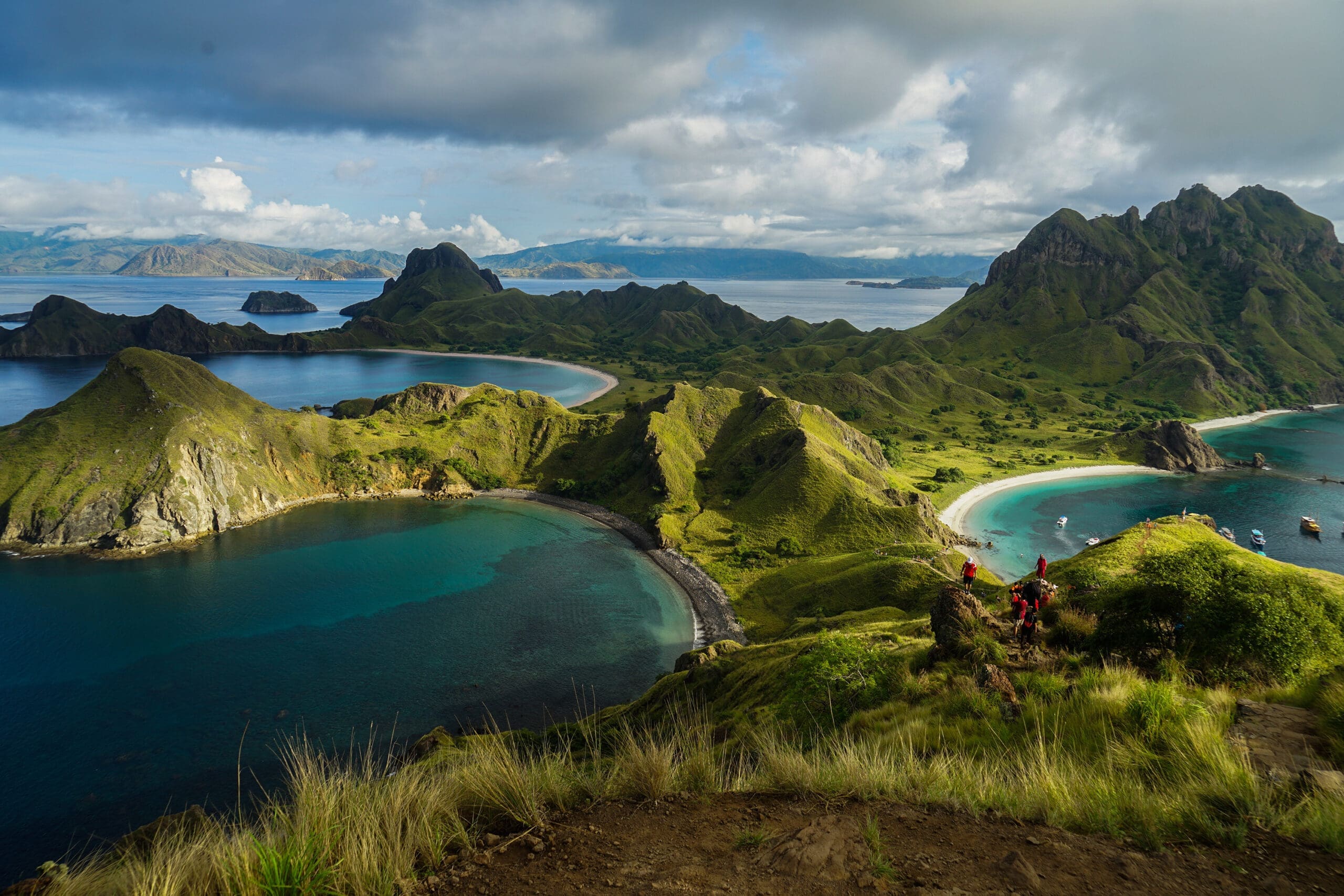
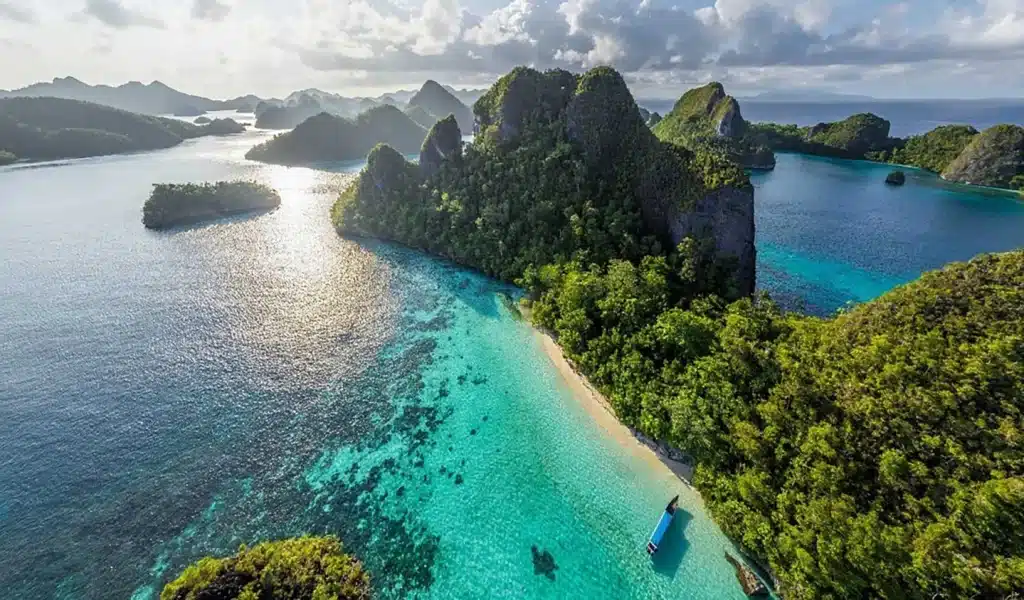
Raja Ampat, an archipelago located off the northwest tip of Bird’s Head Peninsula in West Papua, Indonesia, is often hailed as one of the world’s premier diving destinations. Known as the “Four Kings,” Raja Ampat consists of over 1,500 islands that rise from turquoise water, their limestone cliffs wrapped in jungle and surrounded by coral gardens so rich they hold 75% of all species known to science.
The four main islands are Misool, Salawati, Batanta, and Waigeo.
This remote paradise is renowned for its staggering marine biodiversity, vibrant coral reefs, and crystal-clear waters, making it a dream destination for divers from around the globe.

Why Raja Ampat is a Diver’s Paradise
Raja Ampat lies in the heart of the Coral Triangle, the global epicentre of marine biodiversity. Its protected Bird’s Head Seascape covers over 4.5 million hectares of reefs, mangroves, and islands, a sanctuary for more than 1,500 fish species and 600 species of coral.
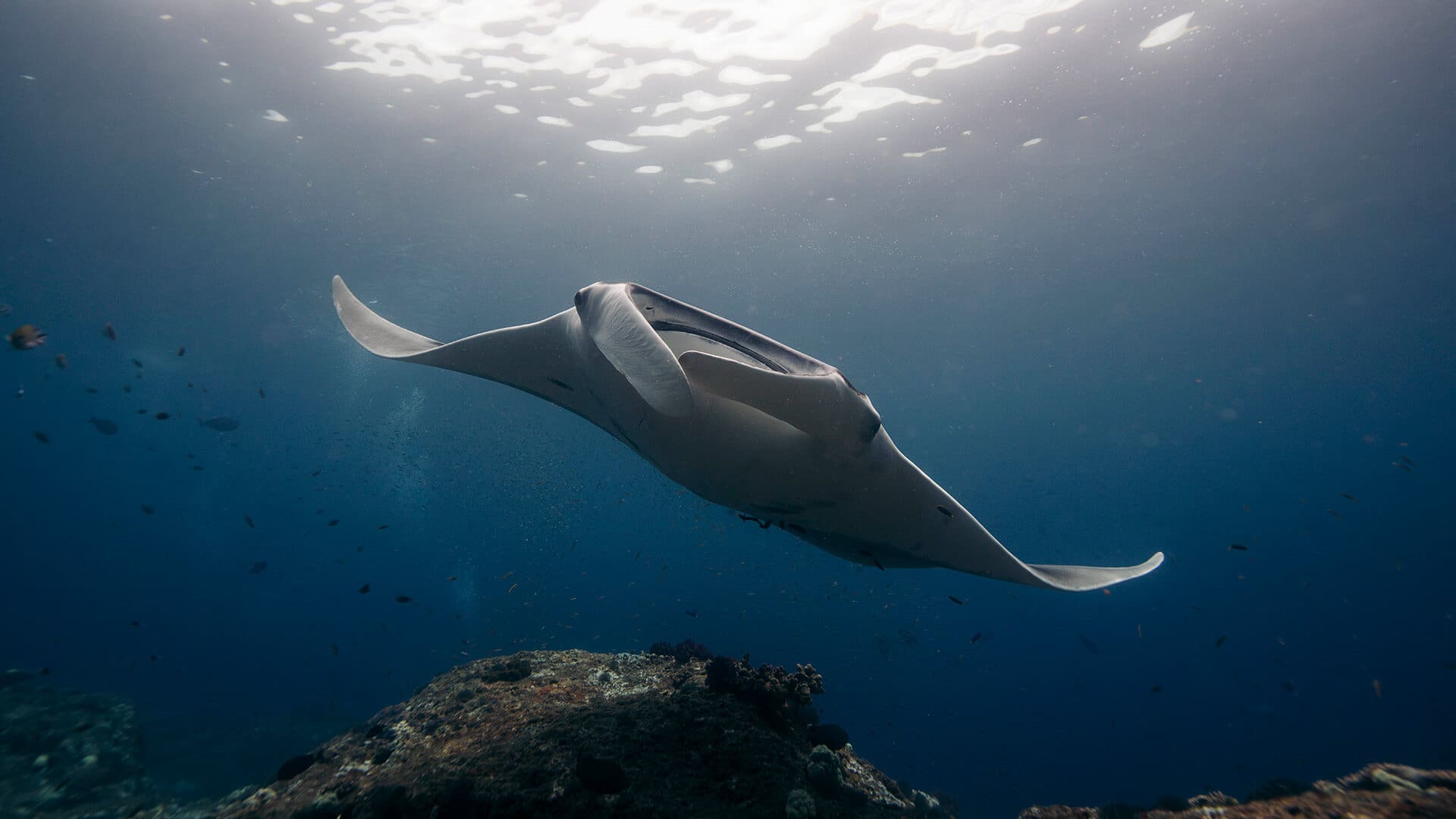
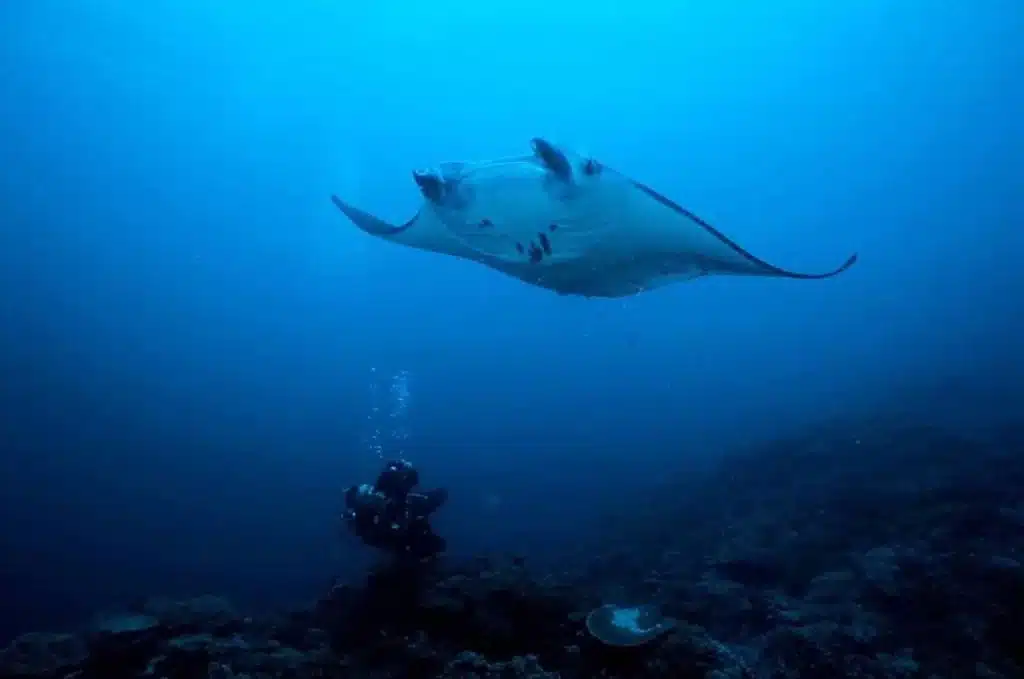
Drift dives here are a sensory overload. At Cape Kri, you can see 374 fish species in a single dive. At Manta Sandy, giant mantas circle gracefully above cleaning stations. In Misool, soft corals explode with color under cathedral light while wobbegong sharks nap beneath bommies.
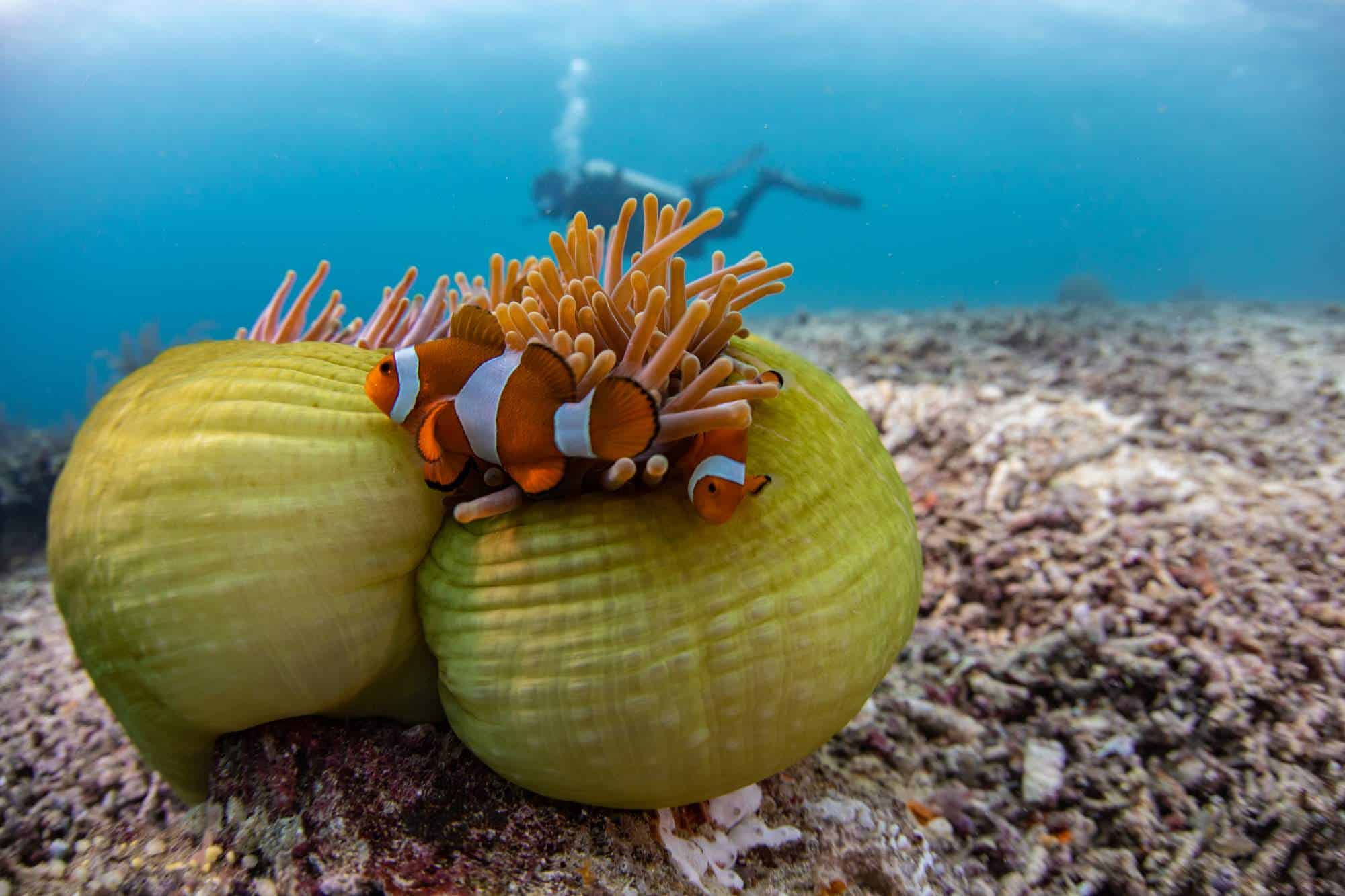
Macro photographers hunt for five species of pygmy seahorse, flamboyant cuttlefish, and ribbon eels, while pelagic lovers chase trevallies, tuna, and reef sharks patrolling the blue. This is where every breath underwater feels like a discovery.
Best Time to Dive in Raja Ampat
When is diving season in Raja Ampat?
Diving is possible year-round, but conditions peak between October and April, during the dry season. Seas are calm, visibility stretches 20–30 m, and manta encounters are frequent at cleaning stations like Manta Sandy and Magic Mountain.
- October–April: Best visibility and calm seas — high manta activity
- May–September: Windier, with occasional rain and swell; fewer boats and lower prices
- January–February: Peak season for mantas and warm, glassy conditions
Water temperature stays steady at 27–30 °C, and currents vary by moon phase — check lunar calendars if you’re planning drift dives.
👉 Related read: Best Time to Visit Raja Ampat
Top Dive Sites in Raja Ampat
Each island group has its own rhythm, from the nutrient-rich drifts of the Dampier Strait to the surreal coral gardens of Misool. Here are some of the must-dive sites:
| Dive Site | Location | Depth Range | Key Highlights |
|---|---|---|---|
| Cape Kri | Dampier Strait | 5–25 m | World-record 374 fish species; reef sharks, trevallies, turtles |
| Blue Magic | Dampier Strait | 10–40 m | Pelagics, nudibranchs, occasional hammerheads |
| Manta Sandy | Dampier Strait | 5–20 m | Reef & oceanic mantas at cleaning stations |
| Sardine Reef | Dampier Strait | 10–30 m | Massive bait balls, eagle rays, drift diving |
| Chicken Reef | Central Raja Ampat | 5–20 m | Shark encounters and coral bommies |
| Arborek Jetty | Near Arborek Village | 5–15 m | Parrotfish, turtles, village interaction |
| Melissa’s Garden | Misool Region | 10–25 m | Spectacular coral gardens and eagle rays |
1. Cape Kri
Located off the island of Kri, this site is famous for holding the world record for the most species of fish recorded in a single dive. The strong currents bring nutrient-rich waters, attracting large schools of fish, including barracudas, trevallies, sweetlips, reef sharks, and turtles.
2. Blue Magic
As the name suggests, this site offers magical underwater experiences. It’s a pinnacle dive site where you can encounter manta rays, schools of jacks, and even the occasional hammerhead shark. The currents can be strong, making it a site for more experienced divers.
3. Manta Sandy
One of the best places to see manta rays in Raja Ampat, Manta Sandy is a cleaning station where these gentle giants come to be cleaned by smaller fish. Divers can observe manta rays up close as they glide gracefully through the water.
4. Misool Island
Misol’s dive sites are renowned for their pristine coral gardens and rich biodiversity. Sites like Boo Windows and Magic Mountain offer breathtaking underwater landscapes and encounters with species like pygmy seahorses, nudibranchs, and reef sharks.
5. The Passage
A narrow channel between Waigeo and Gam islands, The Passage offers a unique diving experience. The combination of shallow coral reefs, steep walls, and mangrove forests creates a rich and varied environment where you can spot everything from small critters to large pelagics.
Marine Life & Biodiversity
If the Great Barrier Reef is the “rainforest of the sea,” Raja Ampat is the Amazon.
Here you’ll find:
- Pelagics: Reef and oceanic mantas, wobbegong and blacktip sharks, tuna, eagle rays
- Macro wonders: Pygmy seahorses, blue-ringed octopus, frogfish, nudibranchs galore
- Reef fish: Clouds of anthias, fusiliers, and parrotfish painting the reef in motion
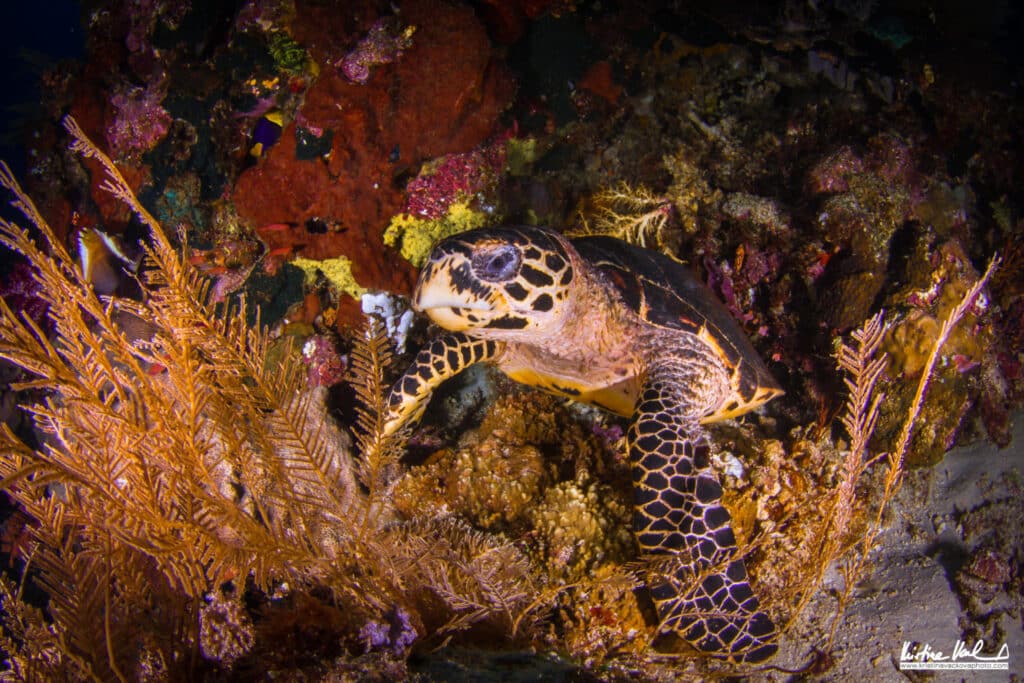
- Rare encounters: Dugongs, dolphins, even whale sharks in off-shore regions
The protected marine park — established in 2007 and expanded in 2014 to cover 46,000 km² — is one of Indonesia’s great conservation success stories. Reef health here ranks among the highest in the world.
👉 Learn more: Raja Ampat Conservation & Marine Park Fees
Dive Courses in Raja Ampat
Expand your skills and confidence underwater in Raja Ampat with our range of PADI-certified courses, from first-time experiences to advanced specialities aboard Calico Jack and Anne Bonny.
- Discover Scuba Diving (DSD) — try diving without commitment.
- Bubble Maker (Ages 8+) — family-friendly underwater fun.
- Open Water Diver — full global certification.
- Advanced Open Water (AOW) — dive deeper, drift longer.
- Enriched Air (Nitrox) — extended bottom time and smarter dives.
Liveaboards vs. Land-Based Diving
Liveaboard Diving
The only way to truly experience Raja Ampat is to live at sea.
Aboard a traditional phinisi like Anne Bonny, you’ll drift between remote islands, diving 3–4 times a day, and sleeping under starlit skies. Liveaboards access far-flung sites like Misool and The Passage that day boats simply can’t reach.
Trips typically run 7–12 days, covering 20–25 dives across North, Central, and South Raja Ampat. You’ll wake to new horizons daily — no packing, no transfers, no stress.
Land-Based Diving
If you prefer slower travel, the resorts on Kri, Arborek, or Waigeo offer daily dives to nearby sites. Ideal for beginners or photographers who want to focus on select reefs.
But for the full Raja Ampat experience — dawn dives at Cape Kri, night dives at Arborek, and sunrise crossings through mirror-flat bays — a liveaboard wins every time.
Diving Conditions & Safety
- Currents: Expect strong, often unpredictable flows (1–3 knots). Reef hooks are essential.
- Depths: Most dives 5–30 m, ideal for long bottom times.
- Visibility: 15–30 m in dry season; lower during plankton blooms.
- Experience: Open Water recommended; 50 + logged dives ideal for liveaboards.
- Water Temp: 27–30 °C, occasional thermoclines at 22 °C in deeper southern sites.
Safety standards are high, with hyperbaric chambers available in Sorong and Waisai. Dive with experienced guides familiar with tides — currents can change direction in minutes.
Essential Tips for Diving in Raja Ampat
1. Bring the Right Gear
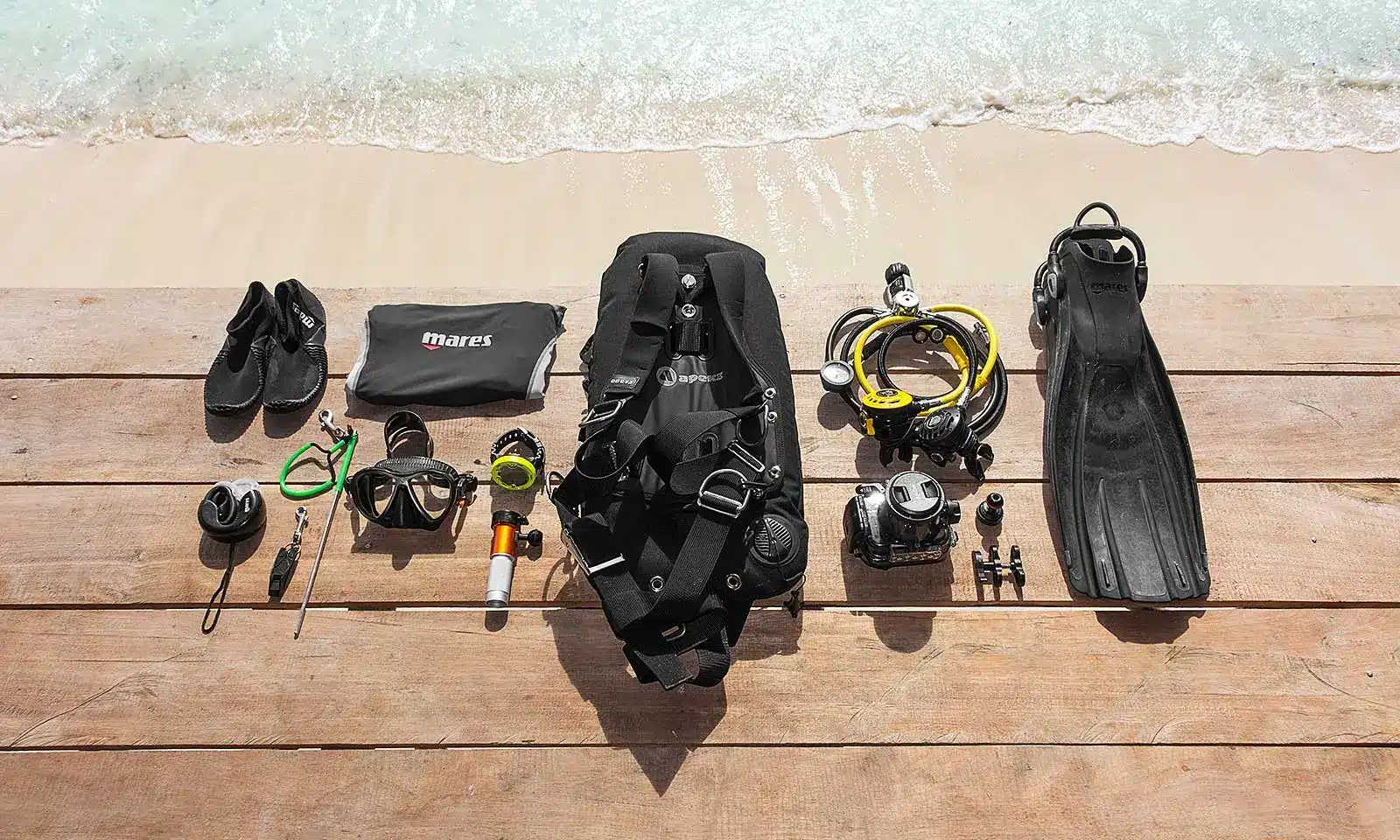
Raja Ampat is remote, and while most dive operators provide rental gear, it’s advisable to bring your own well-fitted mask, snorkel, fins, and dive computer. A 3mm wetsuit is usually sufficient due to the warm water temperatures.
2. Prepare for Sume Currents
Some of the best dive sites in Raja Ampat are known for decent currents. It’s essential to have good buoyancy control and be comfortable with drift diving. If you’re less experienced, consider taking a drift diving course before your trip.
3. Respect the Marine Environment
Raja Ampat is a protected area, and it’s crucial to practice responsible diving. Avoid touching or damaging corals, and be mindful of your buoyancy to prevent accidental contact with marine life. People are also prohibited from wearing dive gloves in Raja Ampat.
4. Stay Hydrated and Rested
Diving can be physically demanding, especially in warm climates. Drink plenty of water and ensure you’re well-rested, especially after long flights. It’s recommended to arrive in Sorong a day early to acclimate before heading out on your dive adventure.
Responsible Diving & Conservation
Raja Ampat is a Marine Protected Area, and it depends on responsible visitors.
- No Touch, No Take: Avoid contact with corals or wildlife.
- No Gloves: Gloves are banned to discourage touching.
- Reef-Safe Sunscreen: Protect coral from harmful chemicals.
- Support Locals: Choose operators employing Papuan crew and contributing to community projects.
- Marine Park Tags: All divers must purchase a yearly permit (~1,000,000 IDR).
Eco-tourism funds ranger patrols and reef restoration — every careful dive helps keep Raja Ampat alive.
Frequently Asked Questions
Is Raja Ampat suitable for beginners?
Some sites are advanced, but beginners can dive safely around Kri, Arborek, and sheltered lagoons with experienced guides.
How many dives per day on a liveaboard?
Most offer 3 day dives + 1 night dive, with flexible schedules based on weather and tides.
Do I need a reef hook?
Yes. Many sites have strong currents, and reef hooks let you safely observe without damaging coral.
When is manta season in Raja Ampat?
Mantas are seen year-round, but peak encounters occur from December to March.
How do I get to Raja Ampat?
Fly to Sorong (SOQ) from Bali or Jakarta, then transfer by boat to Waisai or board your liveaboard directly.
Ready to Dive Into Raja Ampat?
Raja Ampat is truly a diver’s paradise, offering unparalleled underwater experiences in one of the most biodiverse regions on the planet. Whether you choose to explore its waters on a liveaboard or from a land-based resort, you’re guaranteed to encounter vibrant coral reefs, diverse marine life, and breathtaking dive sites. By preparing well and respecting the environment, you can ensure your Raja Ampat diving trip is an unforgettable adventure.