5.0
5.0 
Safety & Dive Operations
Professional expedition diving, built on preparation, experience, and control.
Remote Diving Expiditions Done Properly
At Calico Jack Charters, safety is at the foundation of every expedition.
We operate in some of the most remote marine environments on Earth. This requires a level of preparation, discipline, and operational awareness beyond standard dive tourism.
Our approach combines:
- small dive groups
- highly experienced crew
- structured dive planning
- redundant onboard systems
The result is an expedition environment where guests can focus on exploration, supported by a team that manages the complexity behind the scenes.
Professional Safety & Dive Operations
Calico Jack Charters operates in some of the most remote and dynamic marine environments in Indonesia. Our dive operations are built around small groups, experienced crew, and structured planning, supported by dedicated safety systems and expedition-level redundancy. Every dive is carefully managed, from detailed briefings to emergency preparedness, allowing guests to explore with confidence, knowing that safety, control, and professionalism are always the priority.
Small Groups. High Supervision
We operate with intentionally low diver-to-guide ratios.
- Typical ratio: maximum 4–5 divers per guide
- Separate groups based on experience and preferences
- Continuous in-water and surface support
This allows:
- closer supervision
- more controlled dive profiles
- better response capability if needed
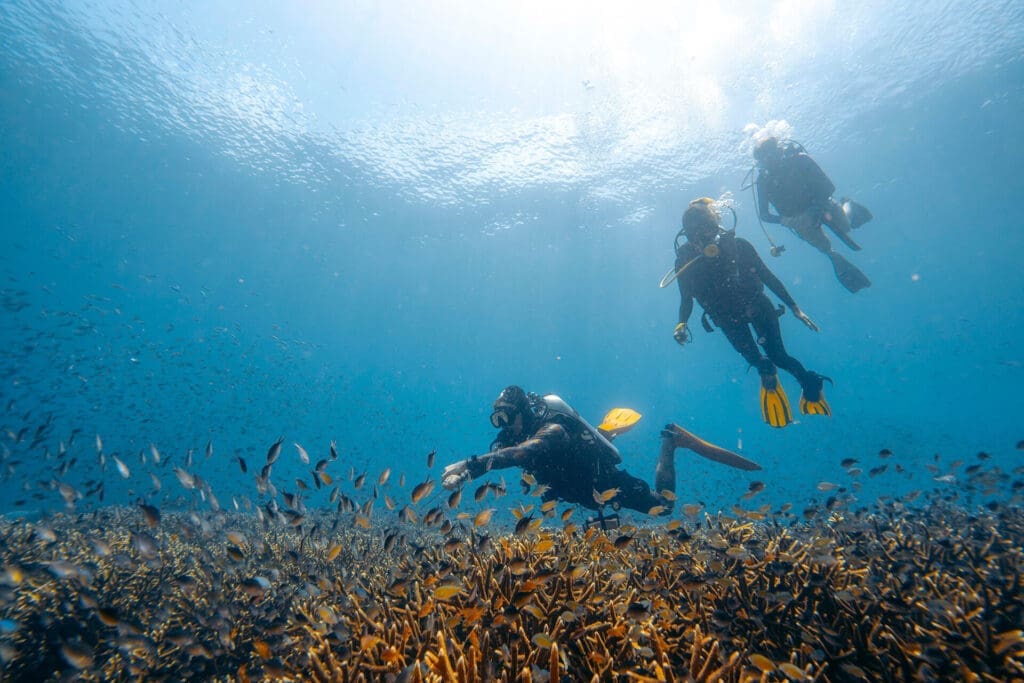
It also creates a calmer, more enjoyable diving experience, particularly in dynamic environments such as currents or deep reef systems.
Structured Dive Operations
Every dive follows a clear operational framework.
Before each dive:
- detailed site briefing
- current and condition assessment
- entry/exit procedures
- depth and profile planning
- emergency protocols reviewed
During the dive:
- guided navigation
- group cohesion maintained
- continuous situational awareness
After the dive:
- structured exit and headcount
- debrief and dive log sessions
This consistency ensures that every guest understands the plan, and the environment, before entering the water.
Emergency Preparedness
We operate with full awareness that expedition diving takes place far from immediate medical infrastructure.
Onboard systems include:
- emergency oxygen supply
- comprehensive first aid equipment
- trained crew in emergency response
- communication systems for coordination and evacuation
Protocols include:
- clear emergency roles assigned to crew
- rapid response procedures
- evacuation planning based on location
All crew members are trained to respond calmly and efficiently in emergency scenarios.
Oxygen & Evacuation Planning
Each expedition is planned with evacuation scenarios in mind.
- oxygen is available and accessible at all times
- crew are trained in oxygen administration
- nearest evacuation points are identified in advance
- communication systems support coordination with external assistance
While incidents are rare, preparation is constant.
Redundancy & Vessel Systems
Operating in remote regions requires mechanical and operational redundancy.
Across the fleet, this includes:
- dual engine configurations (on primary vessel)
- backup generators
- onboard freshwater production
- independent navigation and communication systems
These systems ensure continued operation even in the event of technical issues.
This is a critical component of safe long-range expedition travel.
Guest Responsibility
Safety is a shared responsibility.
Guests are expected to:
- dive within their certification and experience limits
- follow guide instructions at all times
- maintain proper buoyancy and awareness
- use required safety equipment (e.g. SMBs)
We reserve the right to restrict diving activities if safety standards are not met.
Trusted by Divers Worldwide
Calico Jack Charters is consistently rated ‘Excellent’ on Google with 5★ Average Rating from 140+ Verified Reviews




FAQs
Have questions about the trip, diving, or logistics? You’ll find the key details below, and if there’s anything else, our team is always here to help.
How safe is diving on a Calico Jack expedition?
Safety is built into every aspect of our operations. We run small dive groups, maintain high crew-to-guest ratios, and follow structured dive planning for every site. Our team is experienced in operating in remote environments, with established protocols for both routine diving and emergency scenarios.
What is the diver-to-guide ratio?
We operate with a maximum of 4–5 divers per guide.
This allows for close supervision, better control of dive profiles, and a more relaxed diving experience — particularly in areas with currents or complex reef structures.
What safety equipment is available onboard?
All expeditions are equipped with:
- emergency oxygen
- first aid equipment
- communication systems
- safety equipment for diving operations
Our vessels are set up to support extended operations in remote regions, where immediate external assistance may not be available.
Do I need dive insurance?
Yes — dive accident and evacuation insurance is mandatory.
Due to the remote nature of our operations, appropriate insurance is essential.
Is Nitrox available?
Yes, Nitrox is available onboard.
It is recommended for guests planning to maximize dive time across multiple daily dives.
What happens in a diving emergency?
Our crew are trained in emergency response and oxygen administration. In the event of an incident:
- immediate onboard response is initiated
- oxygen is administered if required
- evacuation procedures are activated based on location
Each expedition is planned with evacuation routes and coordination procedures in place.
How remote are your dive locations?
We operate in some of Indonesia’s most remote regions, including Raja Ampat, Banda Sea, and Triton Bay.
This remoteness is part of what makes these areas exceptional, but it also requires a higher level of preparation, which is built into our operations and planning.
Do I need to be an advanced diver to join?
Minimum requirement:
- Open Water certification (or equivalent)
- At least 10 logged dives
However, many of our dive sites are best suited to divers who are comfortable with:
- currents
- varying conditions
- multi-dive days
If you’re unsure, we’re happy to advise before booking.
Are dive briefings provided before every dive?
Yes — every dive is preceded by a detailed briefing covering:
- site conditions
- currents
- entry and exit procedures
- dive profile
- safety considerations
We want every guest to enter the water fully informed and confident.
What if I feel uncomfortable during a dive?
You are always in control of your dive.
You can choose to:
- skip any dive
- shorten a dive
- request additional support from your guide
Our small group structure allows us to adapt to individual comfort levels.
What safety procedures are in place for currents?
Many Indonesian dive sites involve currents.
We manage this through:
- site selection based on conditions
- detailed briefings
- experienced guides
- group control in the water
We do not dive sites that exceed safe conditions for the group.
What happens if weather conditions are unsafe?
Safety always takes priority.
We may:
- adjust dive sites
- delay dives
- change itinerary
These decisions are made based on real-time conditions and are a normal part of expedition diving.
Dive Courses Onboard
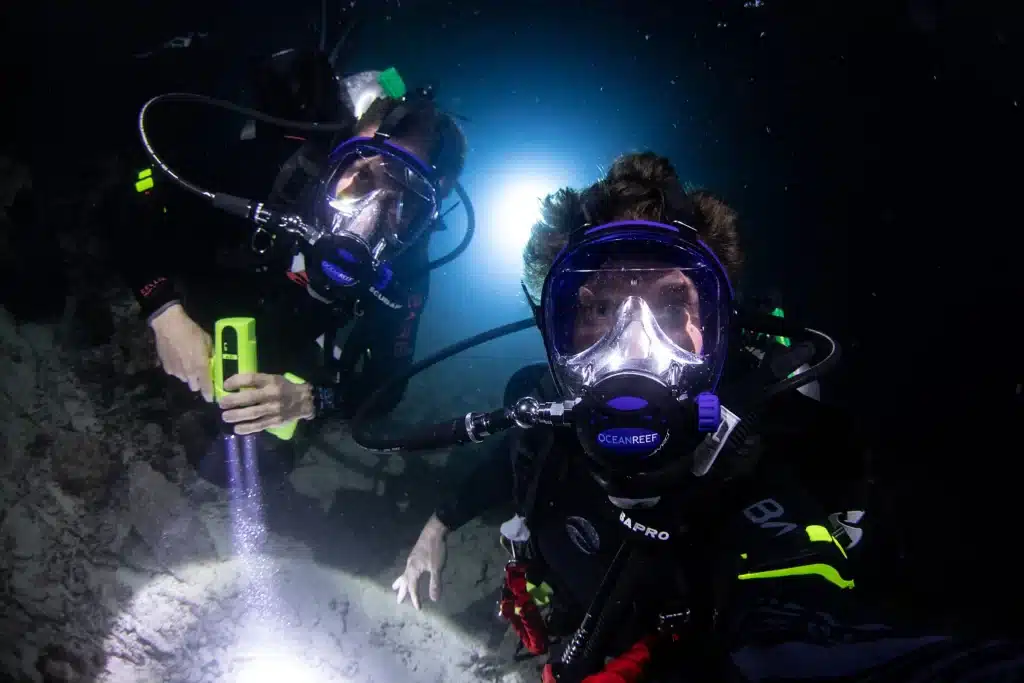
Calico Jack offers a range of PADI-certified dive courses, allowing guests to progress their skills while diving some of the best sites on the planet.
Enriched Air (Nitrox) PADI Certification
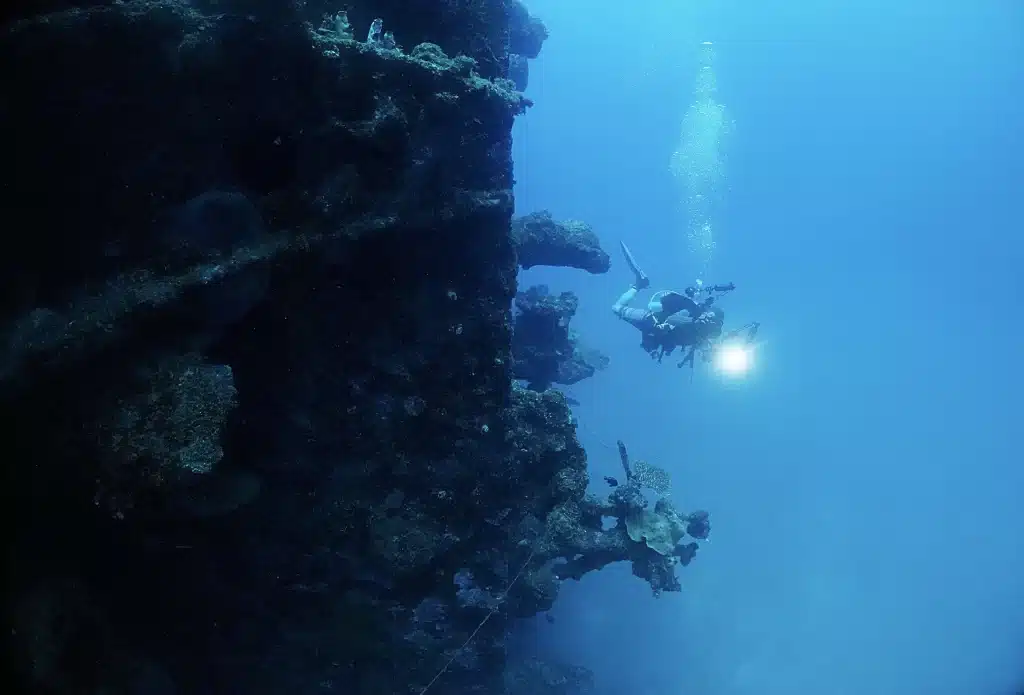
Advanced Open Water PADI Certification
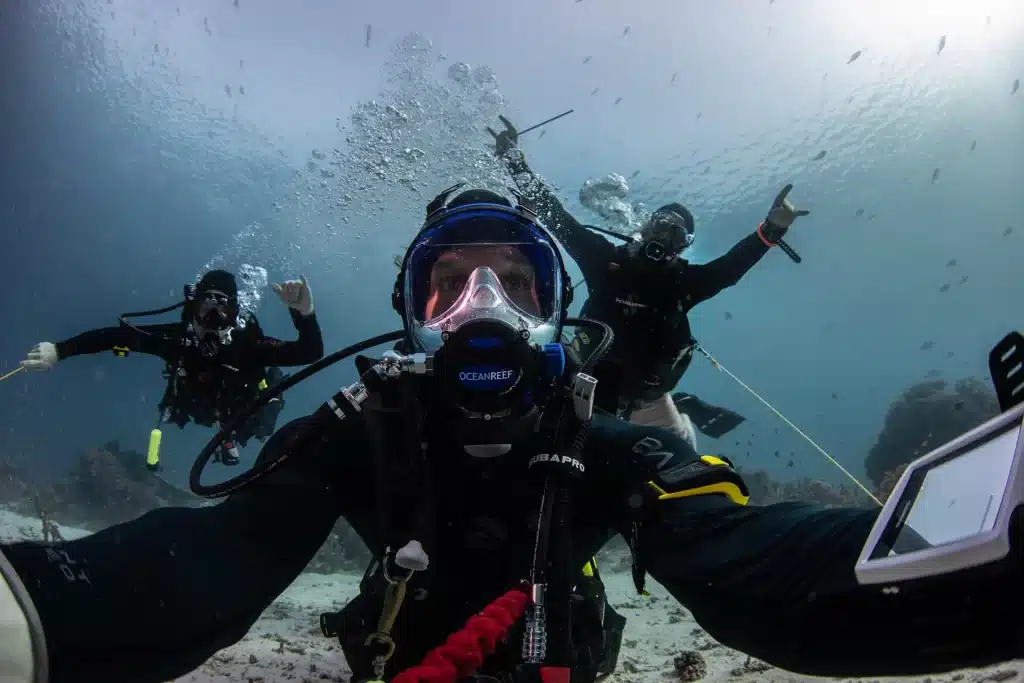
Open Water Diver PADI Certification
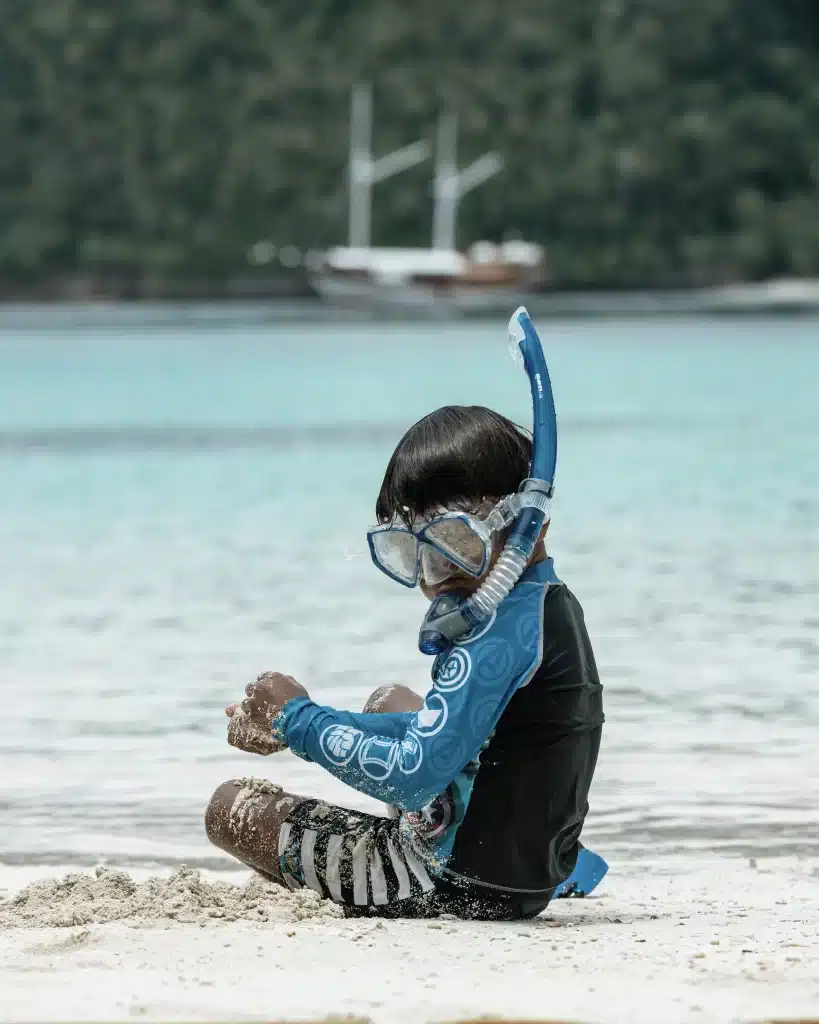
Bubble Maker (Ages 8+)
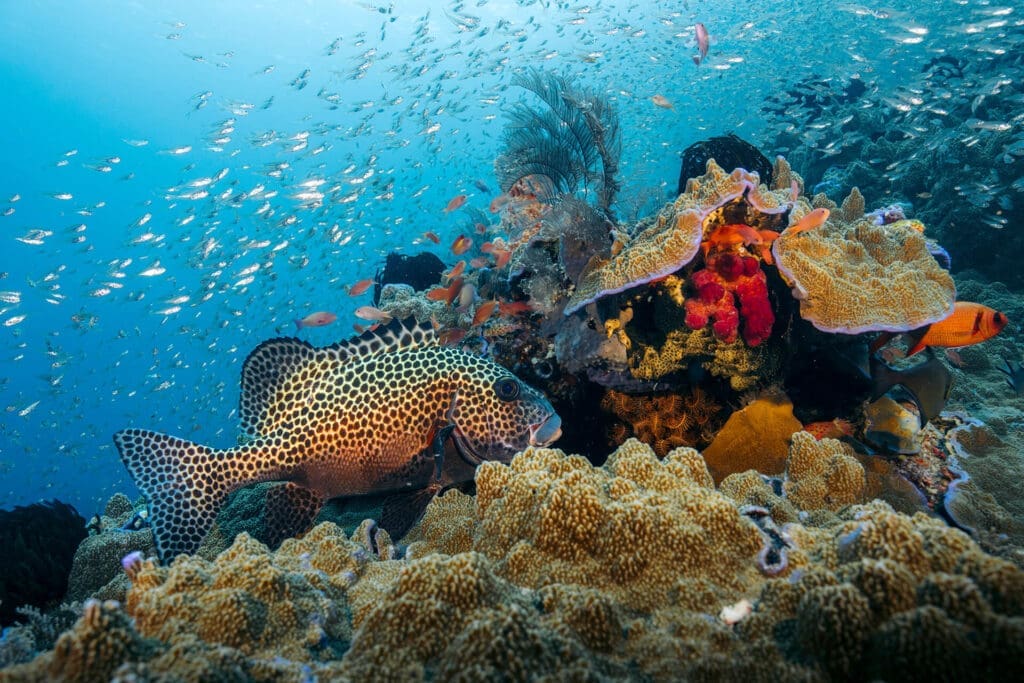
Discover Scuba Diving (DSD)