Scuba diving in Indonesia offers the greatest variety of dive sites anywhere on Earth, from shallow coral gardens and muck diving capitals to deep walls, strong-current drift dives, and remote liveaboard-only expeditions.
Located at the heart of the Coral Triangle, Indonesia hosts the highest marine biodiversity on the planet, with more coral and fish species than anywhere else in the world. Whether you’re diving from shore, a resort, or a liveaboard, Indonesia delivers year-round opportunities for beginner, intermediate, and advanced divers alike.
Why Choose Scuba Diving in Indonesia?
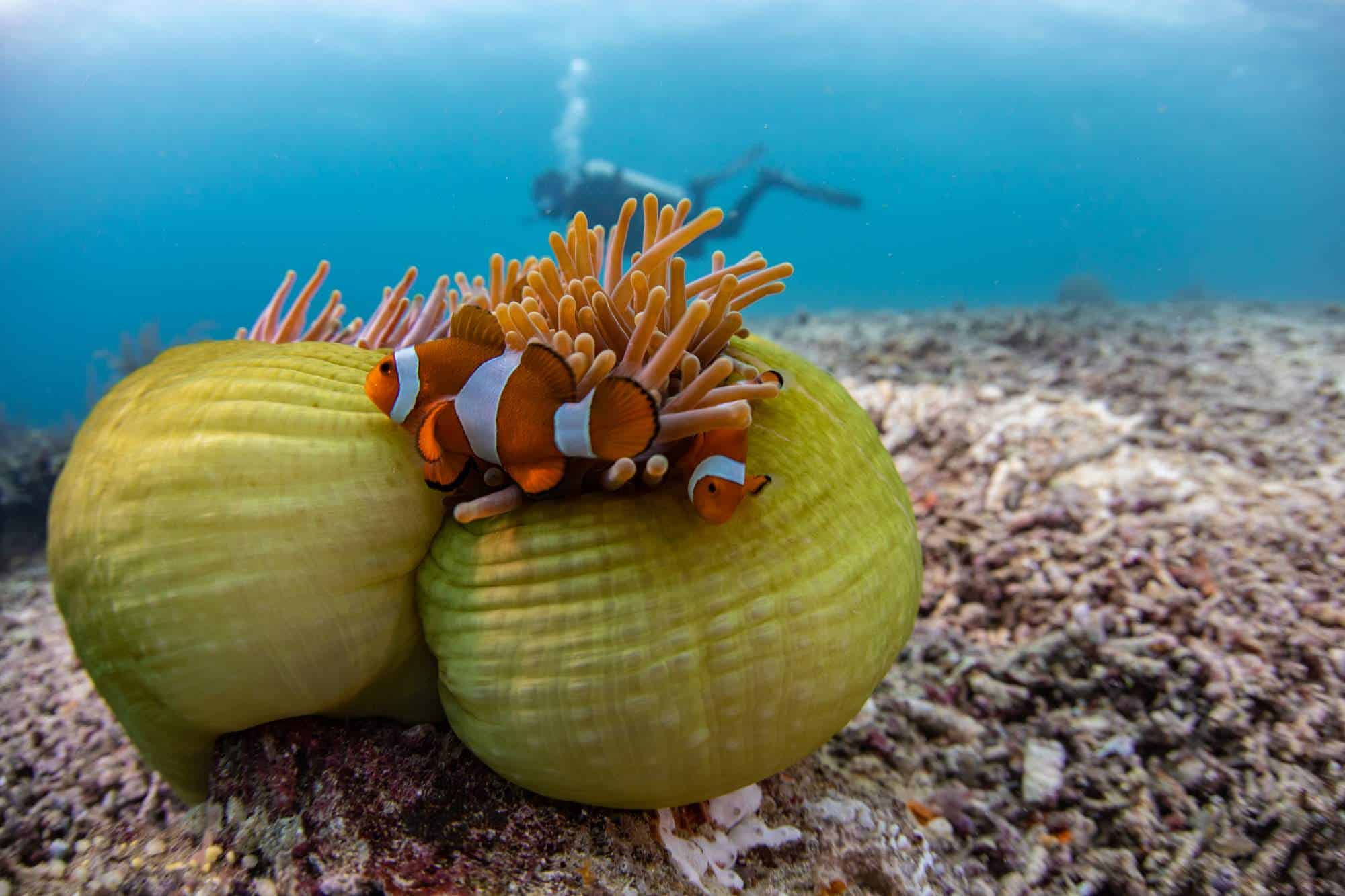
Indonesia is a scuba diver’s paradise, offering a vast range of underwater environments. As part of the Coral Triangle, the country features the most biodiverse marine ecosystem on Earth, with more than 600 species of coral and over 2,000 species of reef fish. The waters are full of vibrant corals, large pelagic species, and unique macro life, making every dive a new and exciting experience.
Indonesia’s best dive sites are unparalleled in diversity. From wreck dives and coral gardens to dramatic drop-offs and thriving underwater pinnacles, there’s something for every type of diver. The country’s varied geography also means there’s always a place with ideal diving conditions, no matter the season. Additionally, the warm tropical waters and generally good visibility make it a year-round diving destination.
Best Dive Sites in Indonesia
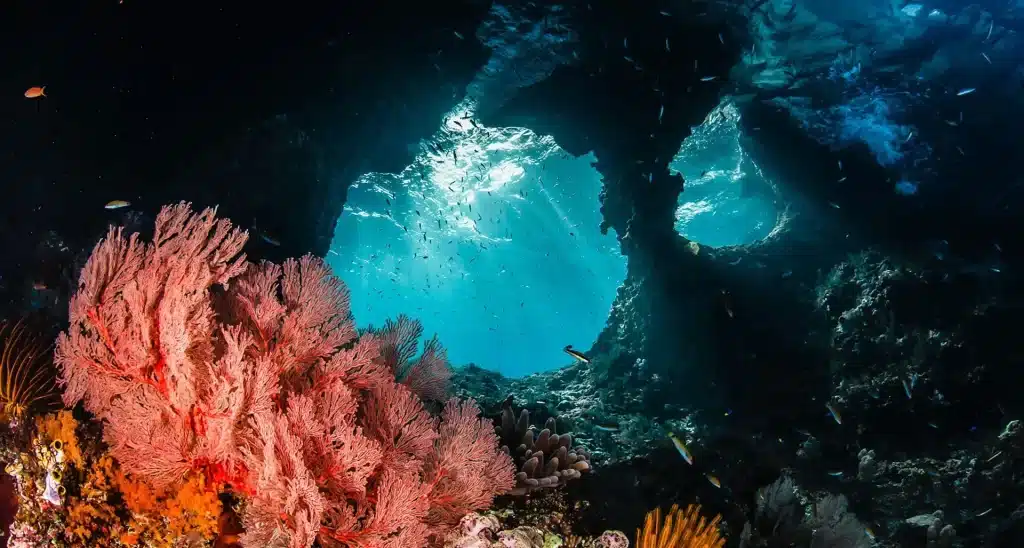
Boo Window raja ampat
Raja Ampat: The Crown Jewel of Scuba Diving in Indonesia
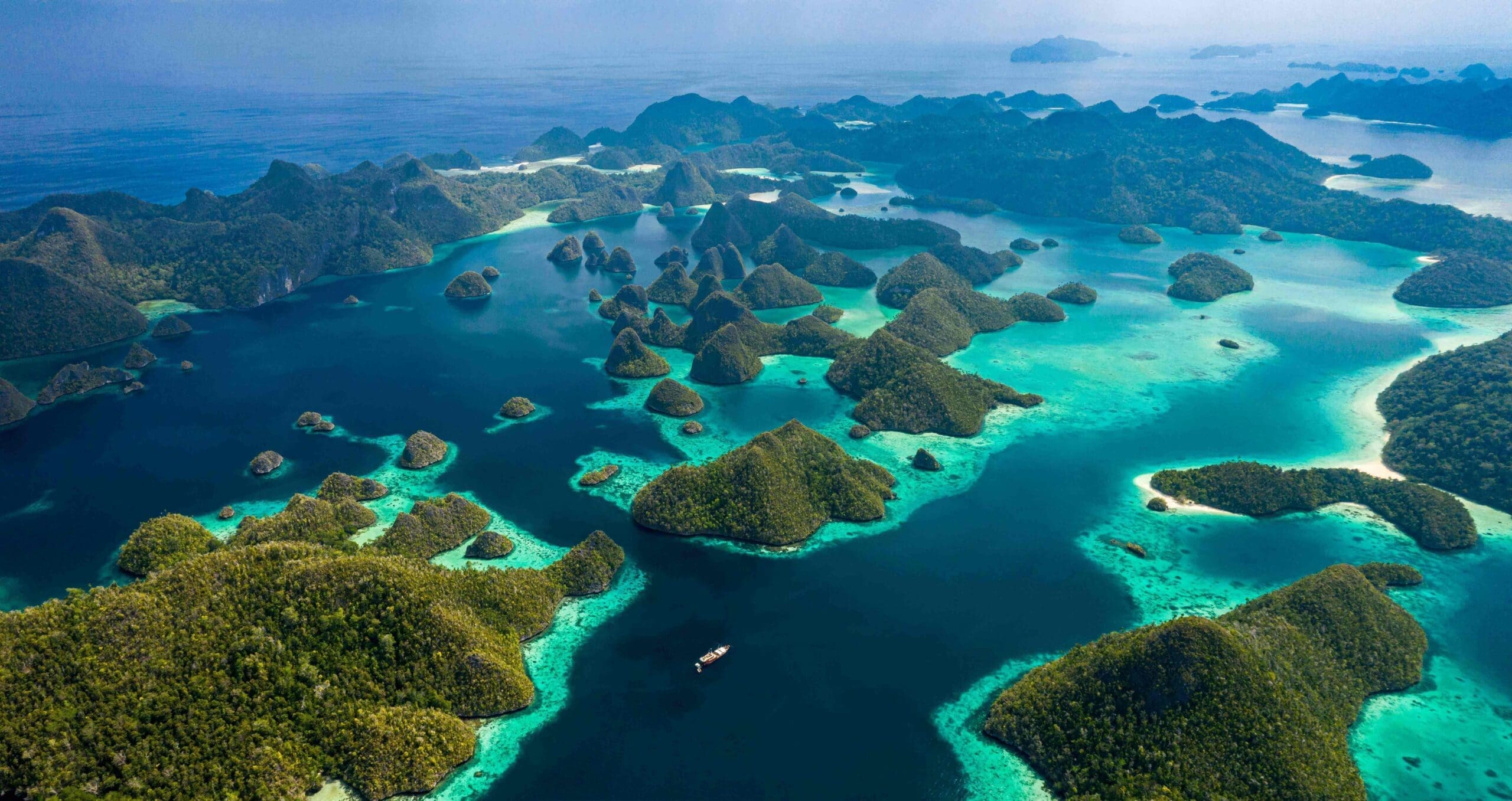
Located off the northwest coast of Papua, Raja Ampat is often considered the pinnacle of scuba diving in Indonesia. The area is famous for its extraordinary biodiversity and vibrant coral reefs. Divers here can explore underwater landscapes filled with colourful soft corals, towering sea fans, and a wide variety of marine life. Divers on a Raja Ampat liveaboard can expect to encounter everything from tiny pygmy seahorses to graceful manta rays.
Why It’s a Top Dive Site: Raja Ampat is home to some of the most biodiverse coral reefs on the planet. The clear waters and rich marine life make it ideal for both macro and wide-angle photography.
Best Time to Visit: October to April, when the seas are calmer and visibility is at its peak.
Diving Tips: Be prepared for strong currents in certain areas. An advanced open water certification is recommended for some of the more challenging sites.
Komodo National Park: A Thrilling Dive Experience
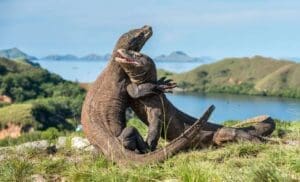
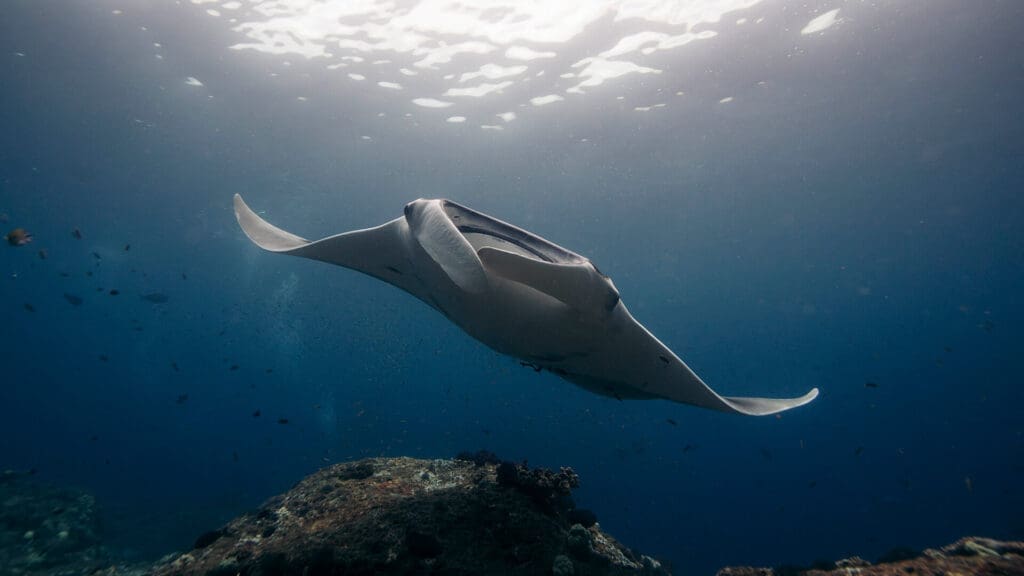
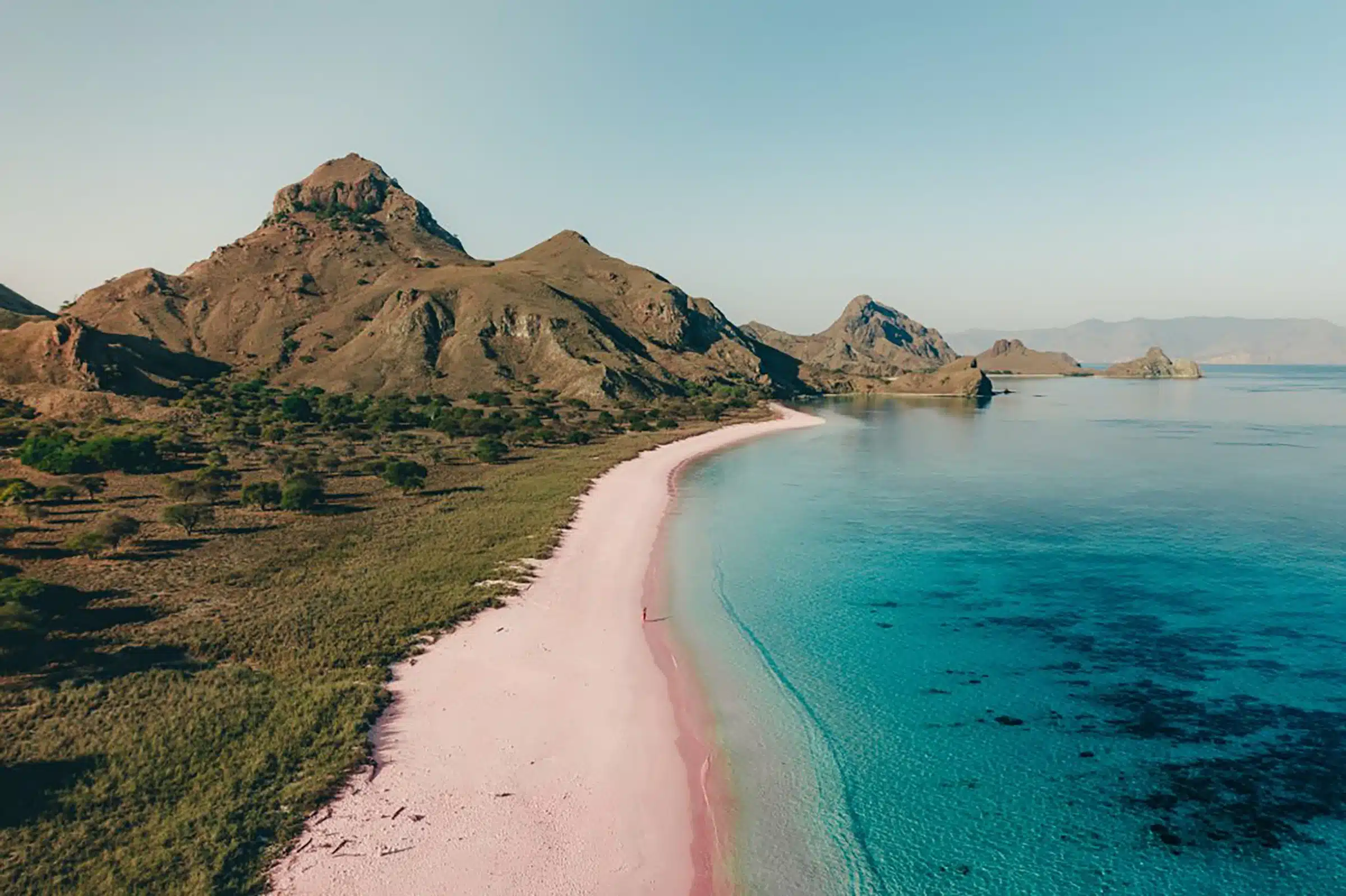
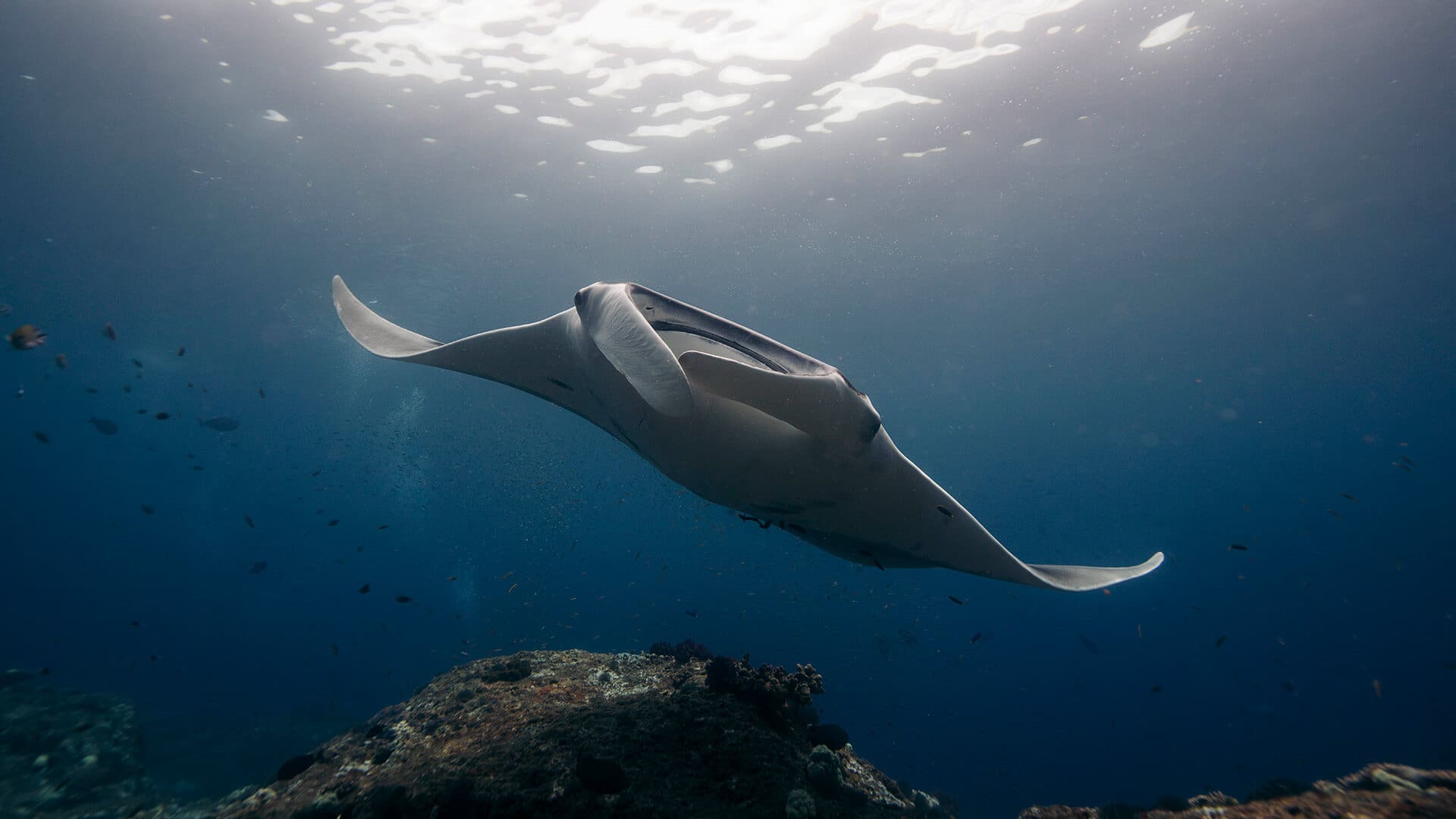
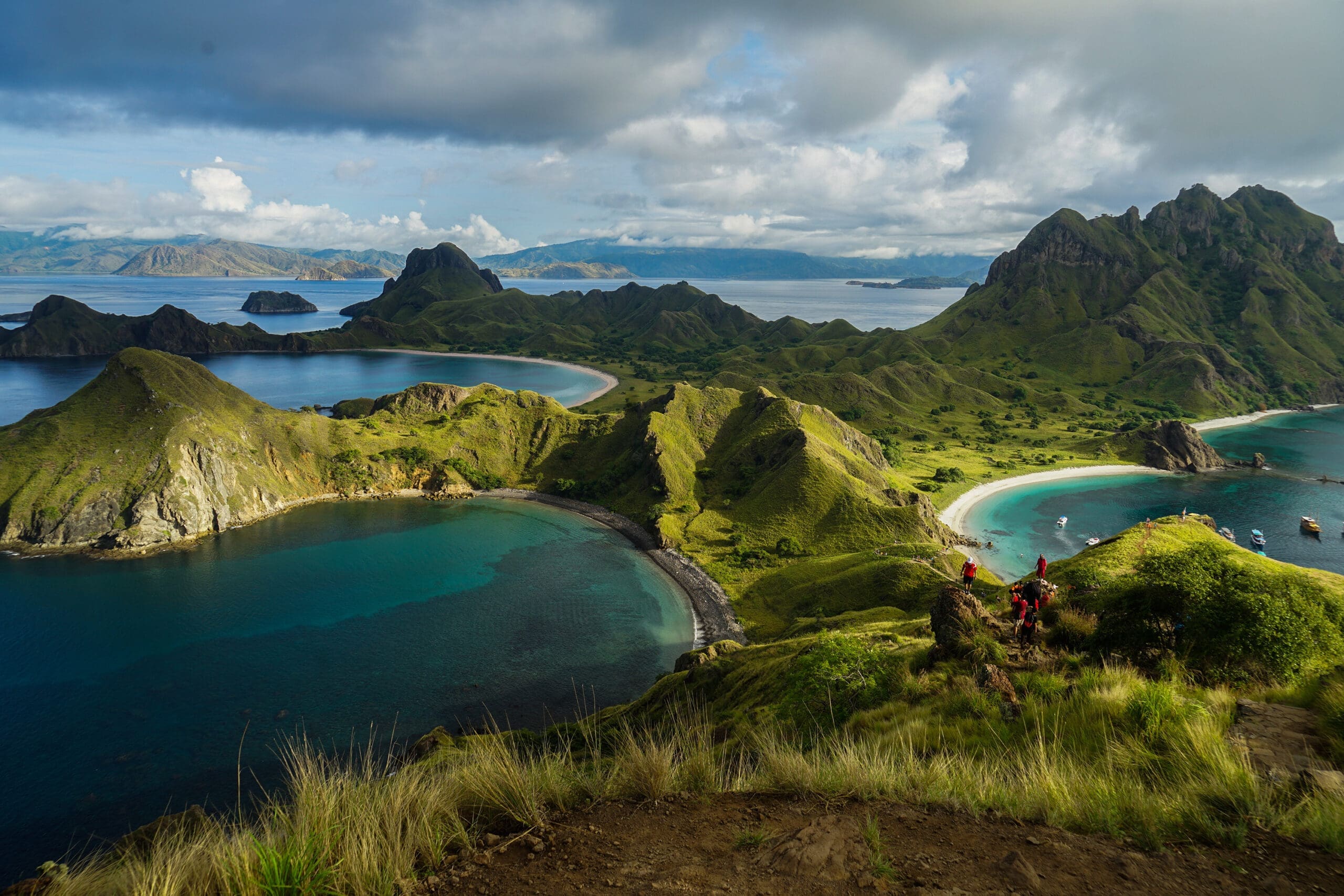
Komodo National Park, situated between the islands of Sumbawa and Flores, is another of the best dive sites in Indonesia. The park is known not only for its famous Komodo dragons but also for its exciting underwater world. Strong currents bring nutrient-rich waters, attracting large pelagic species such as sharks, manta rays, and dolphins. The dive sites in Komodo offer a mix of colourful coral reefs, thrilling drift dives, and unique underwater encounters.
What Makes It Special: The nutrient-rich currents provide a haven for big marine life, including manta rays and reef sharks. Divers can experience exhilarating drift dives along vibrant coral reefs.
Best Time to Dive: March to October is the prime diving season, though manta rays are present year-round.
Diving Tips: Due to the strong currents, this area is best suited for experienced divers. Drift diving techniques are essential for enjoying the fast-moving waters safely.
Bali: A Diver’s Gateway to Indonesia
Bali is one of the most accessible and diverse scuba diving destinations in Indonesia, offering something for everyone. From the famous USAT Liberty wreck in Tulamben to the drift dives of Nusa Penida, Bali provides a variety of diving experiences. The island is also known for its cultural attractions, making it a great destination for divers who want to combine underwater exploration with sightseeing.
Diving Highlights: The USAT Liberty wreck is a must-see, teeming with marine life. Nusa Penida offers the chance to see the elusive Mola mola (sunfish) and manta rays.
Best Time to Dive: The optimal diving season is from April to November.
Diving Tips: For those new to wreck diving, the USAT Liberty is a great site to practice. Bring an underwater camera to capture the incredible marine life and coral formations.
Bunaken Marine Park: Wall Diving Wonderland
Bunaken Marine Park, located in North Sulawesi, is a world-famous destination for wall diving. The park features steep coral walls covered with vibrant sponges and soft corals. Visibility is often excellent, making it a fantastic place for underwater photography. The area is teeming with marine life, including turtles, barracuda, and reef sharks.
Why Divers Love It: The dramatic coral walls and crystal-clear waters offer an incredible diving experience, with encounters ranging from large pelagics to tiny macro critters.
Best Time to Dive: May to September is the prime season for diving in Bunaken.
Diving Tips: Keep an eye out for small macro species like nudibranchs and pygmy seahorses. The area’s steep walls make it ideal for divers who enjoy deep and wall diving.
Wakatobi: Pristine Coral Reefs and Remote Beauty
Wakatobi, located in Southeast Sulawesi, is a remote diving destination known for its pristine coral reefs. The area is part of a national park, ensuring that the underwater environment remains well-preserved. Wakatobi offers some of the healthiest coral systems in Indonesia, with a variety of dive sites ranging from shallow coral gardens to deep drop-offs.
What Makes It Unique: The area’s remote location means that the reefs are largely untouched, providing a pristine diving experience. Muck diving enthusiasts will enjoy searching for rare critters like ghost pipefish.
Best Time to Dive: March to December, with warm waters and good visibility throughout the season.
Diving Tips: Consider booking a liveaboard trip to explore more remote sites. The calm waters make it a great place for both beginner and experienced divers.
Dive by Style: Where to Go Based on Your Preferences
Beginner-Friendly Dive Sites in Indonesia
Bali (Padang Bai, Amed): Calm waters, easy access, and great visibility.
Wakatobi: Shallow reefs and gentle currents with vibrant coral.
Bangka Island (North Sulawesi): Warm, clear, and ideal for new divers.
Best Indonesia Dive Sites for Macro Photography
Lembeh Strait: World-famous muck diving haven.
Wakatobi: Rich coral textures and unique critters.
Tulamben, Bali: Easy shore dives with vibrant macro life.
Where to Go for Big Pelagics
Komodo: Manta rays, reef sharks, and swirling fish action.
Raja Ampat: Oceanic mantas and schooling barracuda.
Alor: Known for sunfish sightings and hammerheads.
Top Drift Dive Spots for Advanced Divers
Komodo: Sites like Castle Rock and Shotgun.
Nusa Penida: Fast drifts with big rewards.
Raja Ampat (Mioskon, Cape Kri): Wild currents and wild encounters.
Common Marine life sightings in Indonesia
Species
Jan
Feb
Mar
Apr
May
Jun
Jul
Aug
Sep
Oct
Nov
Dec
Whitetip reef shark
●
●
●
●
●
●
●
●
●
●
●
●
Blacktip reef shark
●
●
●
●
●
●
●
●
●
●
●
●
Bull shark
Hammerhead shark
○
○
○
○
○
○
○
○
○
○
○
○
Nurse shark
○
○
○
○
○
○
○
○
○
○
○
○
Thresher shark
○
○
○
○
○
○
○
○
○
○
○
○
Tiger shark
Whale shark
○
○
○
○
○
○
○
○
○
○
○
○
Eagle ray
●
●
●
●
●
●
●
●
●
●
●
●
Manta ray
●
●
●
●
●
●
●
●
●
●
●
●
Stonefish
○
○
○
○
○
○
○
○
○
○
○
○
Sunfish (Mola mola)
○
●
●
●
●
○
Seahorse
○
○
○
●
●
●
●
●
●
●
●
●
Humpback whale
○
○
○
○
○
○
○
○
○
○
○
○
Pilot whale
○
○
○
○
○
○
○
○
○
○
○
○
Sperm whale
○
○
○
○
○
○
○
○
○
○
○
○
Manatee (dugong)
●
●
●
●
●
●
●
●
●
●
●
●
Hawksbill turtle
●
●
●
●
●
●
●
●
●
●
●
●
Common dolphin
●
●
●
●
●
●
●
●
●
●
●
●
● Common Sightings ○ Occasional Sightings
Essential Diving Tips for Indonesia
Plan for Currents: Many of the best dive sites in Indonesia have strong currents, particularly in areas like Komodo and Raja Ampat. It’s important to have experience with drift diving and to use a reef hook if necessary.- Choose the Right Season: While diving is possible year-round, different regions have different peak seasons. Research your chosen destination to find the best time to visit.
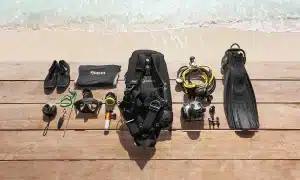
Bring Your Own Gear: Although most dive shops offer rental equipment, having your own mask, snorkel, and fins can ensure a better fit and comfort.
Respect the Marine Life: Practice good buoyancy control to avoid damaging coral reefs. Do not touch or disturb marine animals, and follow the guidance of your dive instructor.
Best Times & Conditions to Dive
Indonesia is a year-round diving destination, but the best diving conditions depend on region rather than month. Because the country spans thousands of kilometres, different areas peak at different times of year, meaning there is always somewhere diving well in Indonesia.
Region
Best Dive Season
Water Temp
Visibility
Bali & Lombok
Apr – Oct
23 – 29 °C
10 – 50 m
Komodo
Apr – Oct
26 – 28 °C
15 – 40 m
Bunaken & Lembeh
Mar – Oct
27 – 30 °C
15 – 50 m
Raja Ampat
Sep – Jun (north year‑round)
28 – 29 °C
15 – 30 m
Frequently Asked Questions About Diving in Indonesia
1. Do I need a dive certification to dive in Indonesia? Yes, a PADI or equivalent open water certification is required for most dive sites. Advanced Open Water is recommended for drift dives or sites with strong currents.
2. When is the best time to dive in Indonesia? It varies by region. Raja Ampat is best from October to April, while Komodo and Bali shine from March to November.
3. Is Indonesia good for beginner divers? Absolutely. Bali and Wakatobi are ideal for first-time divers, with calm waters and easy shore access.
4. What marine life can I expect to see? Everything from pygmy seahorses and nudibranchs to manta rays, reef sharks, and sometimes even whales.
5. How do I get to Raja Ampat or Komodo? Raja Ampat: Fly to Sorong (via Jakarta or Makassar). Komodo: Fly to Labuan Bajo from Bali or Jakarta.
6. Are liveaboards safe and worth it? Yes, they’re the best way to explore remote dive sites. Choose reputable operators with strong safety records.
7. Can I rent dive gear in Indonesia? Yes, most dive centers offer full rentals. Still, it’s recommended to bring your own mask and computer.
8. What’s the visibility like? Ranges from 10 to 40 meters depending on the site and season. Bunaken and Wakatobi tend to have excellent visibility.
9. Are there any dangerous marine animals? Not typically. As with all diving, respect marine life and avoid touching anything.
10. Do I need dive insurance? It’s highly recommended, especially if you plan to dive in remote areas.
Liveaboard Diving in Indonesia: Why It’s the Best Way to Dive
Liveaboard diving in Indonesia is the best way to access the country’s most remote and pristine dive sites. Many of Indonesia’s top locations — including Raja Ampat, the Banda Sea, Triton Bay, and parts of Komodo National Park — are either inaccessible or impractical to dive from land-based resorts alone.
Liveaboards allow divers to reach untouched reefs, dive multiple sites per day, and move with the seasons — following the best conditions rather than staying fixed in one location.
For divers seeking maximum underwater time, greater site variety, and access to world-class locations, liveaboard diving in Indonesia offers an unmatched experience.
Having dived extensively across Indonesia, one thing becomes clear quickly: access, timing, and experience matter far more than luxury finishes.
Calico Jack Charters specialises in expedition-style liveaboard diving, long itineraries, small groups, and flexible routing that allows divers to experience Indonesia at its best, not just its most popular.
From Raja Ampat and Triton Bay to the Banda Sea and Ambon, Calico Jack focuses on delivering serious diving with high standards of safety, comfort, and professionalism, without the inflated price tag or overproduced luxury branding common elsewhere.
Indonesia Entry & Visa Essentials
Visa on Arrival: Available for many nationalities at major Indonesian airports – USD 37 for 30 days, extendable once.
Passport requirements: Must be valid for 6 months beyond travel date and include at least one blank page.
Onward ticket proof may be requested at immigration.
Indonesia offers some of the most spectacular and diverse scuba diving experiences in the world. From the rich biodiversity of Raja Ampat and the thrilling drift dives of Komodo to the serene coral gardens of Wakatobi, there is no shortage of incredible underwater adventures to be had. By choosing the best dive sites in Indonesia and following essential diving tips, you can ensure a safe and unforgettable journey into the deep blue.
Plan your trip carefully, respect the underwater environment, and prepare for an experience that will leave you in awe of the beauty beneath the waves. Happy diving, and may your exploration of scuba diving in Indonesia be filled with exciting encounters and lasting memories!
 5.0
5.0