5.0
5.0 
Indonesia’s Last Great Coral Frontier
Hidden away on the southern coast of West Papua, Triton Bay remains one of Indonesia’s most remarkable, and least crowded, dive destinations. Located near the remote town of Kaimana, Triton Bay sits within the Bird’s Head Seascape, part of the wider Coral Triangle that holds the greatest marine biodiversity on Earth and is a marine protected area in Indonesia.
While nearby regions such as Raja Ampat and the Banda Sea have gained global recognition, Triton Bay has quietly earned a reputation among experienced divers as something special — a place where reefs feel genuinely untouched, colours feel almost unreal, and each dive still carries a sense of discovery.
If you’re looking for diving that feels wild, immersive, and refreshingly uncrowded, Triton Bay may be one of Indonesia’s best-kept secrets.
Why Triton Bay Is Unique
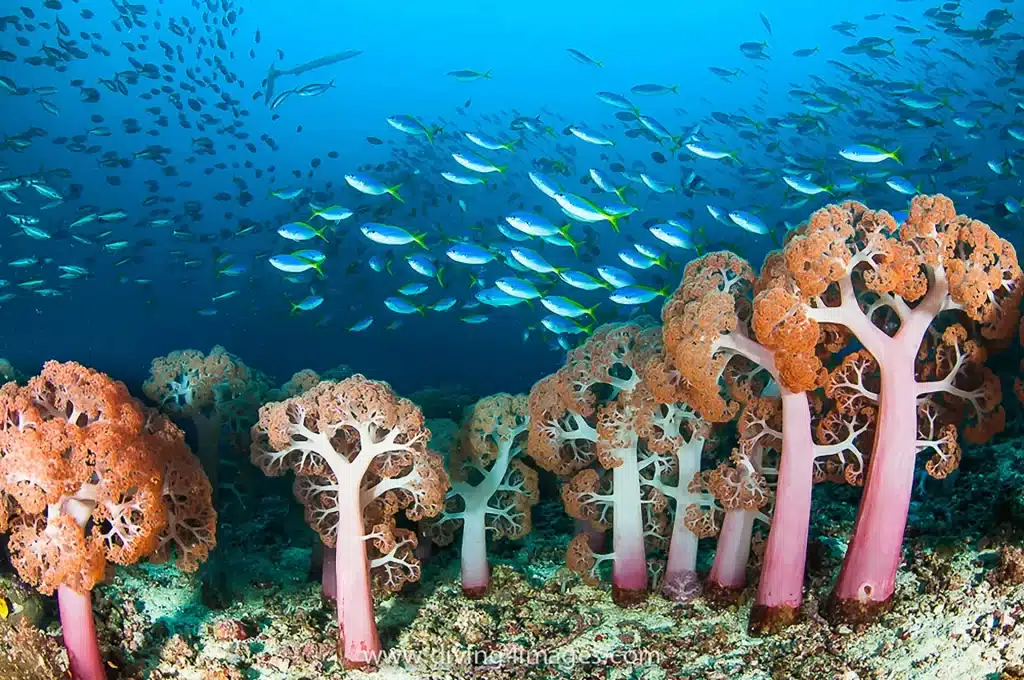
Triton Bay is often described as the “Lost City of Coral”, and that description isn’t exaggerated. Few places in Indonesia display such dense, uninterrupted coral coverage, particularly soft corals, sea fans, and sponges that cloak walls, slopes, and bommies in layers of colour.
The region’s underwater character is shaped by nutrient-rich upwellings rising from deep water. While these nutrients can occasionally reduce visibility, they fuel explosive reef growth and attract immense quantities of marine life. The result is diving that feels alive, busy, colourful, and constantly changing.
What sets Triton Bay apart isn’t just biodiversity, but balance:
- Wide-angle reef scenery
- Strong fish biomass
- Excellent macro life
- Minimal diver pressure
It’s a rare combination, and one that’s increasingly hard to find elsewhere.
Incredible Marine Life in Triton Bay
Diving in Triton Bay offers encounters across the full spectrum of marine life, from large pelagics to some of Indonesia’s most sought-after macro species.
Big Life & Schooling Fish
Divers regularly encounter:
- Large schools of fusiliers, sweetlips, snappers, and surgeonfish
- Giant groupers, trevallies, and barracuda
- Reef sharks patrolling deeper sections
- Green and hawksbill turtles resting along coral slopes
The reefs often feel saturated with fish, especially around points and submerged ridges where currents concentrate life.
Macro & Rare Species
For macro enthusiasts, Triton Bay is exceptional. Expect:
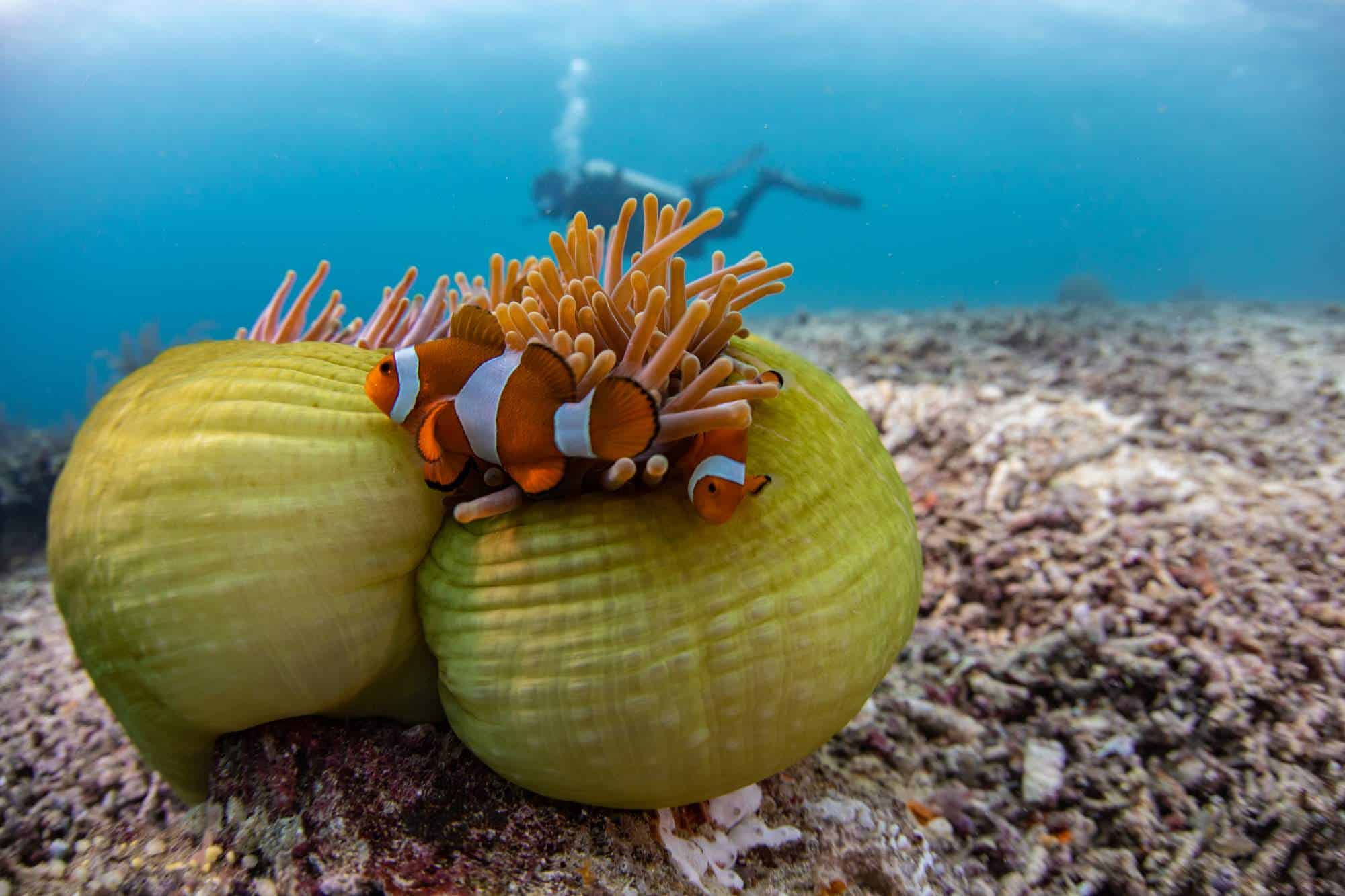
- Pygmy seahorses clinging to sea fans
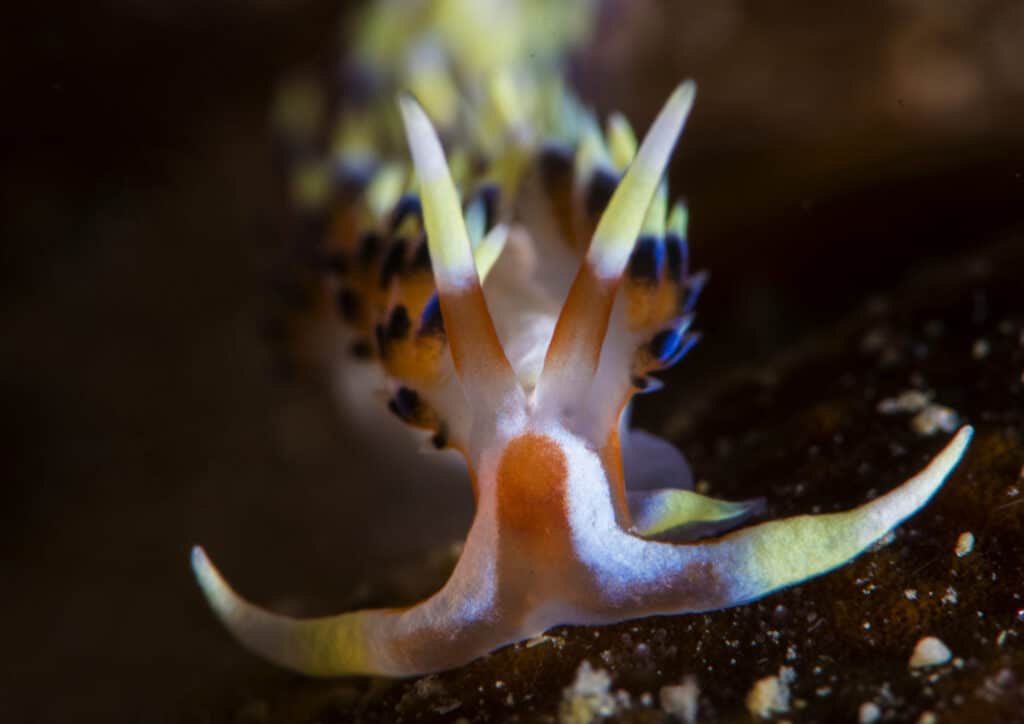
- A wide variety of nudibranchs and flatworms
- Ghost pipefish, mantis shrimp, and shrimp species
- The elusive epaulette shark (often called the “walking shark”), endemic to parts of eastern Indonesia
The sheer density of life means even slow, shallow dives reward patience and observation.
Whale Sharks & Special Encounters
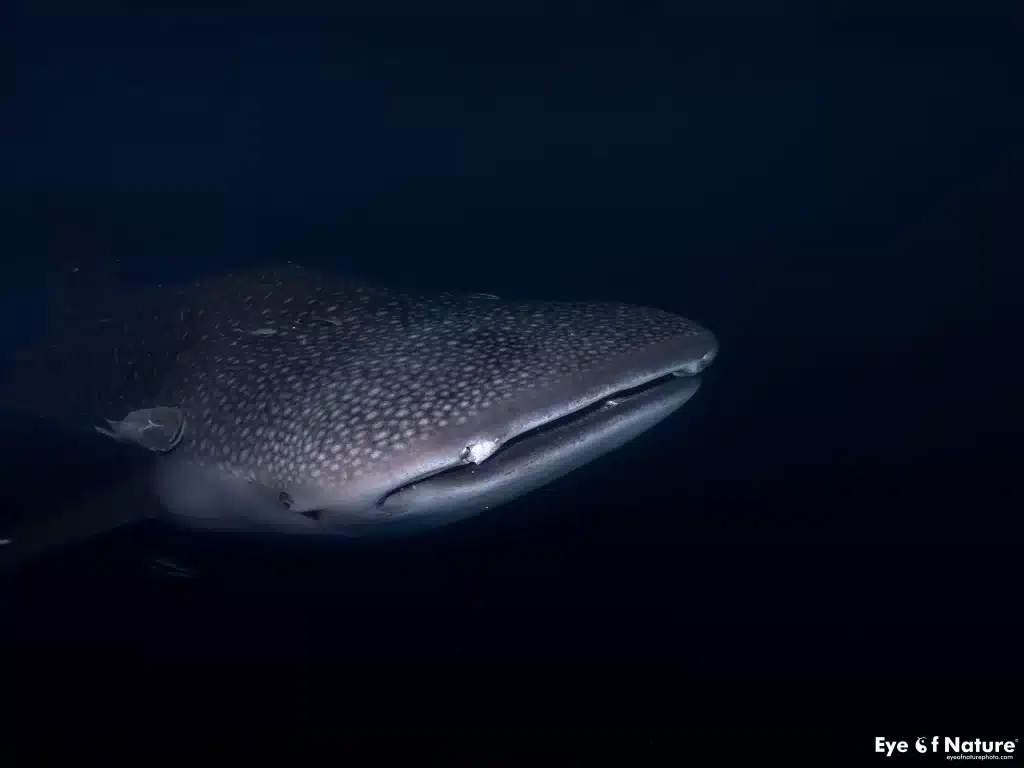
One of Triton Bay’s most extraordinary experiences is the chance to encounter whale sharks. These gentle giants are often seen around traditional fishing platforms known locally as bogans, where they feed on small fish.
Unlike busier destinations, encounters here are often calm, respectful, and unhurried, a highlight for many divers and snorkellers lucky enough to experience it.
Signature Dive Sites in Triton Bay
Triton Bay offers a diverse selection of dive sites, each with its own personality. Some of the most well-known include:
Little Komodo
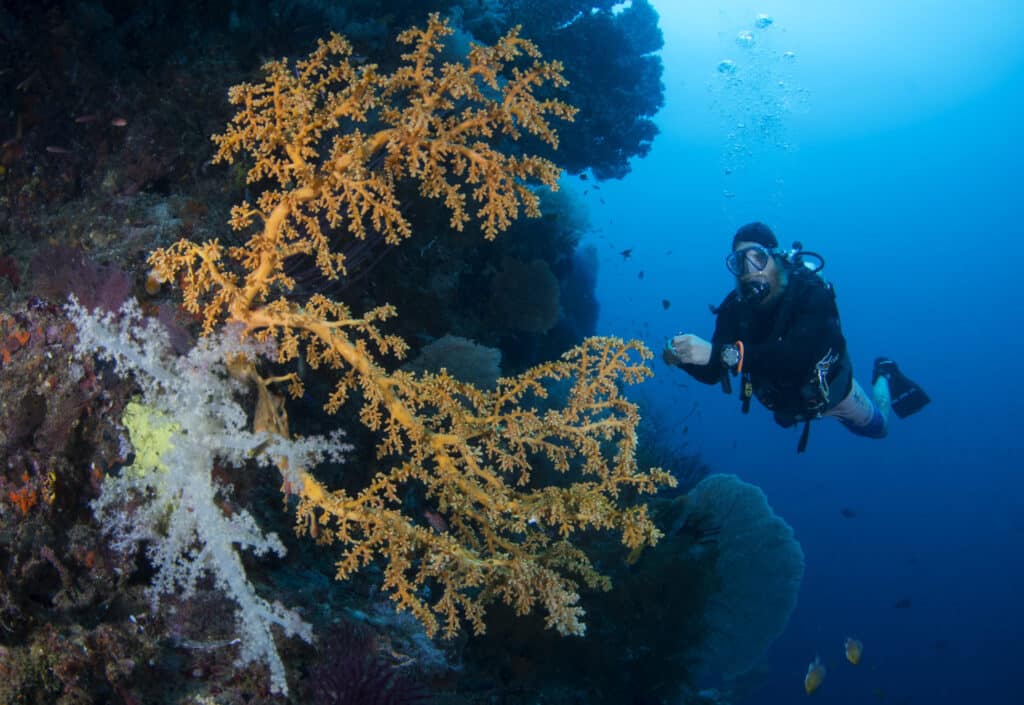
Named for its resemblance to Komodo’s underwater landscapes, Little Komodo features vibrant soft coral gardens and energetic currents. Expect excellent fish action, colourful reef structure, and dramatic wide-angle scenes.
Batu Jatuh
Characterised by massive underwater boulders, swim-throughs, and caves, Batu Jatuh combines striking topography with strong fish life. Reef sharks are often spotted patrolling the deeper areas.
Saruenus
Often cited as one of Triton Bay’s richest sites, Saruenus delivers exceptional coral coverage and biodiversity. Pygmy seahorses, mantis shrimp, nudibranchs, and wobbegong sharks are all possible here.
Christmas Rock
A favourite among experienced divers, this site features dramatic bommies, dense schools of fish, and strong currents that attract larger pelagic species. A true showcase of Triton Bay’s raw energy.
What Is Diving Like in Triton Bay?
Triton Bay diving is varied and dynamic.
You can expect:
- Reef dives with gentle slopes and walls
- Occasional current-influenced dives
- Depth profiles suitable for a range of experience levels
- A strong mix of macro and wide-angle opportunities
While conditions can change, many sites offer protection, making Triton Bay surprisingly accessible — especially when diving with guides who know the region well.
Is Triton Bay Suitable for Beginner Divers?
Yes — with the right setup.
Many Triton Bay dive sites are suitable for newly certified or intermediate divers, particularly those with calm profiles and manageable currents. That said, this is still remote Indonesia, not a training quarry.
Beginner divers will benefit most when:
- Diving with experienced guides
- Choosing sites matched to their comfort level
- Diving as part of a liveaboard, where planning is flexible and conservative
For experienced divers, Triton Bay offers depth, complexity, and variety without the crowds.
Best Time to Dive Triton Bay
The best diving conditions in Triton Bay generally fall between October and April, when seas are calmer and conditions more stable. Water temperatures typically sit in the high-20s °C, with visibility varying depending on tides and nutrient flow.
Because Triton Bay is often combined with Raja Ampat or Banda Sea itineraries, many divers experience it as part of a longer expedition rather than a standalone trip.
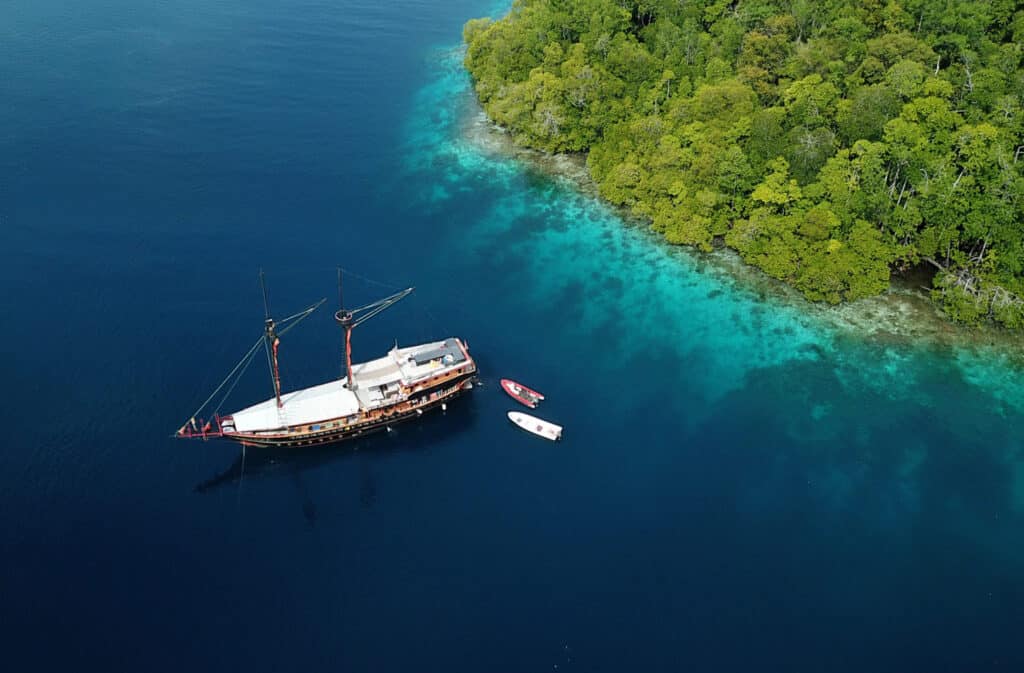
Triton Bay by Liveaboard: The Best Way to Dive
This is important: Triton Bay is at its best by liveaboard.
The region is remote, the dive sites are spread out, and infrastructure is limited. Liveaboards allow divers to:
- Reach multiple sites per day without long transfers
- Access reefs rarely visited by day boats
- Adjust plans based on conditions
- Combine Triton Bay with Raja Ampat or the Banda Sea
For divers planning liveaboard diving in Indonesia, Triton Bay offers something increasingly rare — space, time, and true expedition-style exploration.
👉 Explore Triton Bay liveaboard expeditions
👉 Diving with Calico Jack
Above the Surface: Islands, Lagoons & Culture
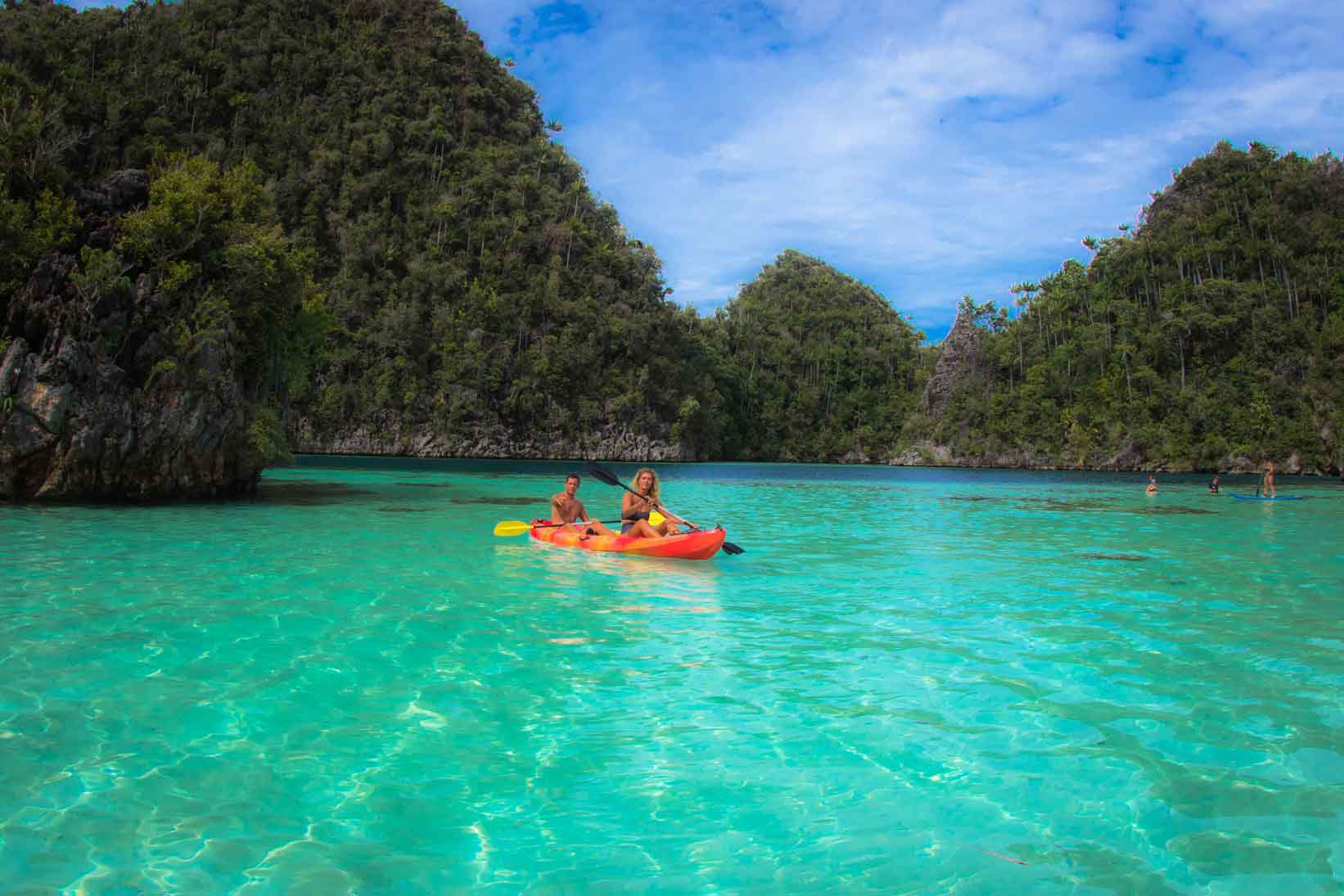
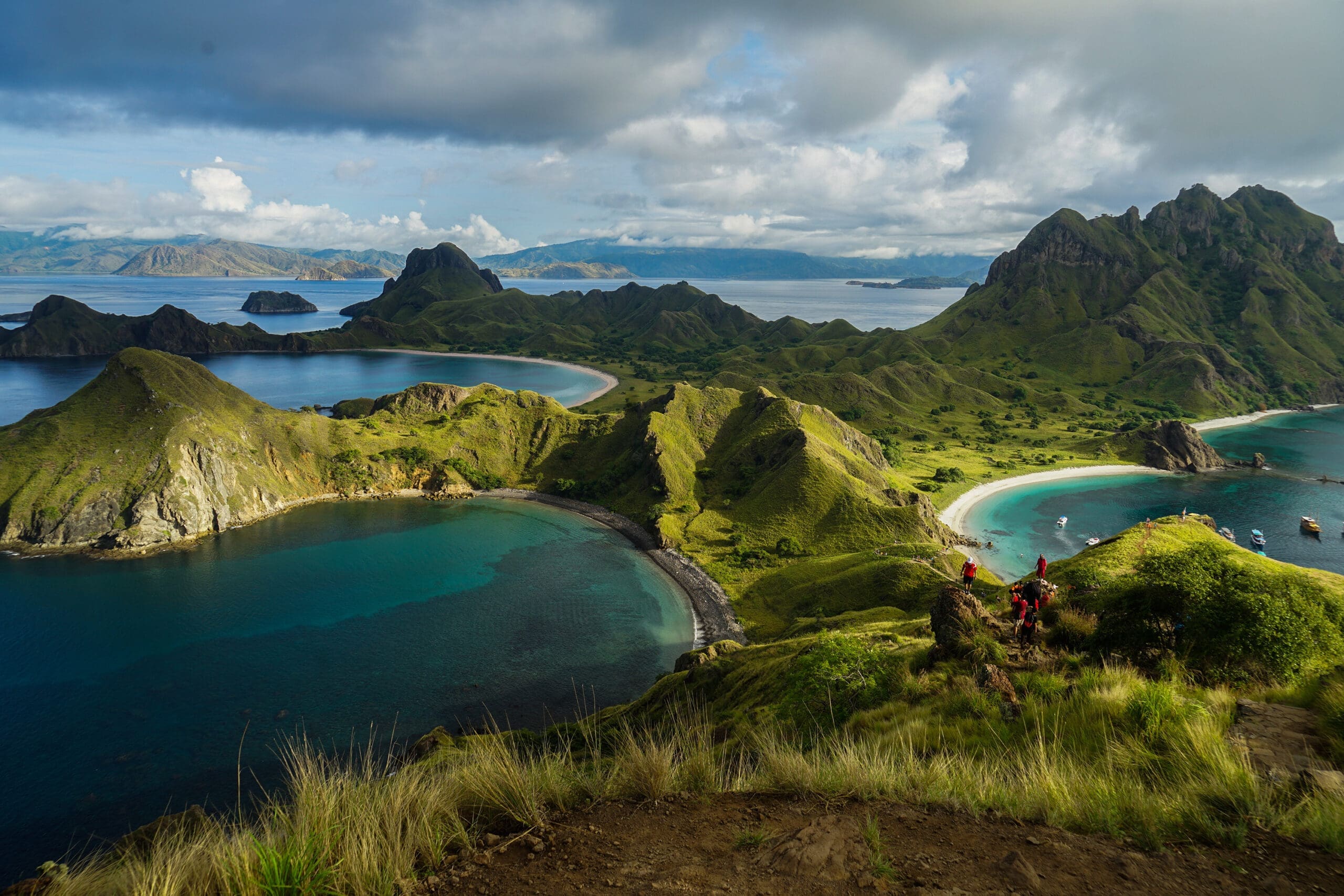
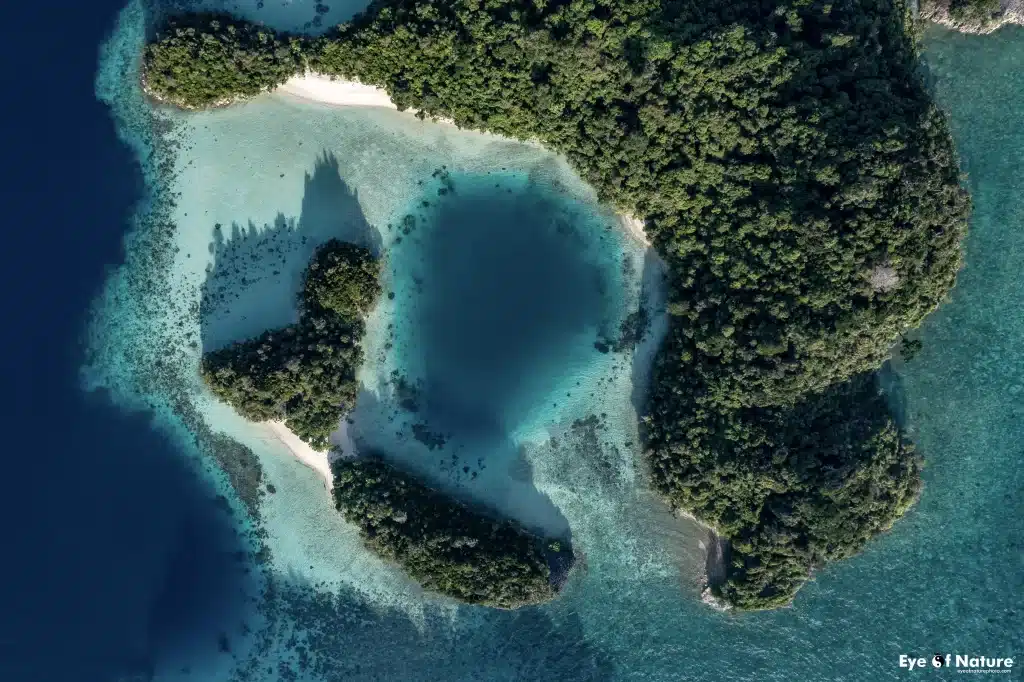
Triton Bay’s beauty doesn’t end underwater. Between dives, the scenery is spectacular, jungle-covered islands, towering karst formations, turquoise lagoons, and remote villages that feel far removed from the modern world.
Surface intervals may include:
- Lagoon exploration by kayak
- Scenic cruising through island channels
- Visits to remote Papuan villages
- Quiet moments watching seabirds and sunsets
It’s a destination that rewards slowing down.
How to Get to Triton Bay
Most travellers reach Triton Bay by flying to Kaimana, typically via Jakarta or Makassar, before transferring to a resort or liveaboard. Due to its remote location, Triton Bay sees far fewer visitors than Indonesia’s better-known dive regions — which is exactly what keeps it special.
Why Triton Bay Belongs on Your Indonesia Dive List
Triton Bay is for divers who:
- Want colour, coral health, and biodiversity
- Prefer fewer boats and fewer people
- Enjoy a sense of exploration
- Are planning a serious Indonesia dive trip, not a rushed checklist
If Raja Ampat is the crown jewel, Triton Bay is the hidden vault beneath it — quieter, wilder, and deeply rewarding.
👉 Scuba Diving in Indonesia: The Ultimate Guide
👉 Liveaboard Diving in Indonesia
👉 Explore Upcoming Expeditions